

Pool Deck Materials That Support Safer, More Comfortable Summer Use
July 10, 2026
Pool deck installation plays a major role in how safe, comfortable, and usable a backyard pool area feels during summer. The pool may be the main attraction, but the surface around it affects walking comfort, traction, drainage, seating space, and how easily people move between swimming, relaxing, and gathering.
At Xscape to Nature, pool deck planning starts with the full outdoor experience. A pool deck should not only frame the water. It should support wet feet, lounge chairs, shade, family movement, and long days outside without making the area feel crowded or uncomfortable.
Start With How the Pool Area Will Be Used
Before choosing a pool deck material, homeowners should think about how people will use the space. A family pool needs safe walking paths and room for towels. A backyard built for hosting may need lounge zones, dining space, and easy access to the home.
Why Daily Movement Matters
A pool deck should give people enough room to walk around the pool without squeezing past chairs or stepping onto grass. It should also create clear paths between the house, seating areas, and the pool entry points.
Xscape to Nature looks at movement first because comfort depends on layout as much as material. If your pool area needs a stronger layout before choosing surfaces, explore Xscape to Nature’s Pool Decks Service.
Choose Materials That Feel Better in Summer Heat
Pool decks are used most during hot weather, so surface temperature matters. Some materials can feel uncomfortable under bare feet when exposed to direct sun for long periods. Color, texture, finish, and surrounding shade can all affect how the deck feels.
A stamped concrete patio or concrete pool deck may offer a finished look, but the surface should be chosen carefully for heat, traction, and long-term outdoor use. Homeowners comparing concrete services should think beyond appearance and ask how the material will perform around water and sun.
Xscape to Nature helps homeowners choose pool deck materials that support both style and comfort. The goal is a surface that looks complete and feels practical during real summer use.
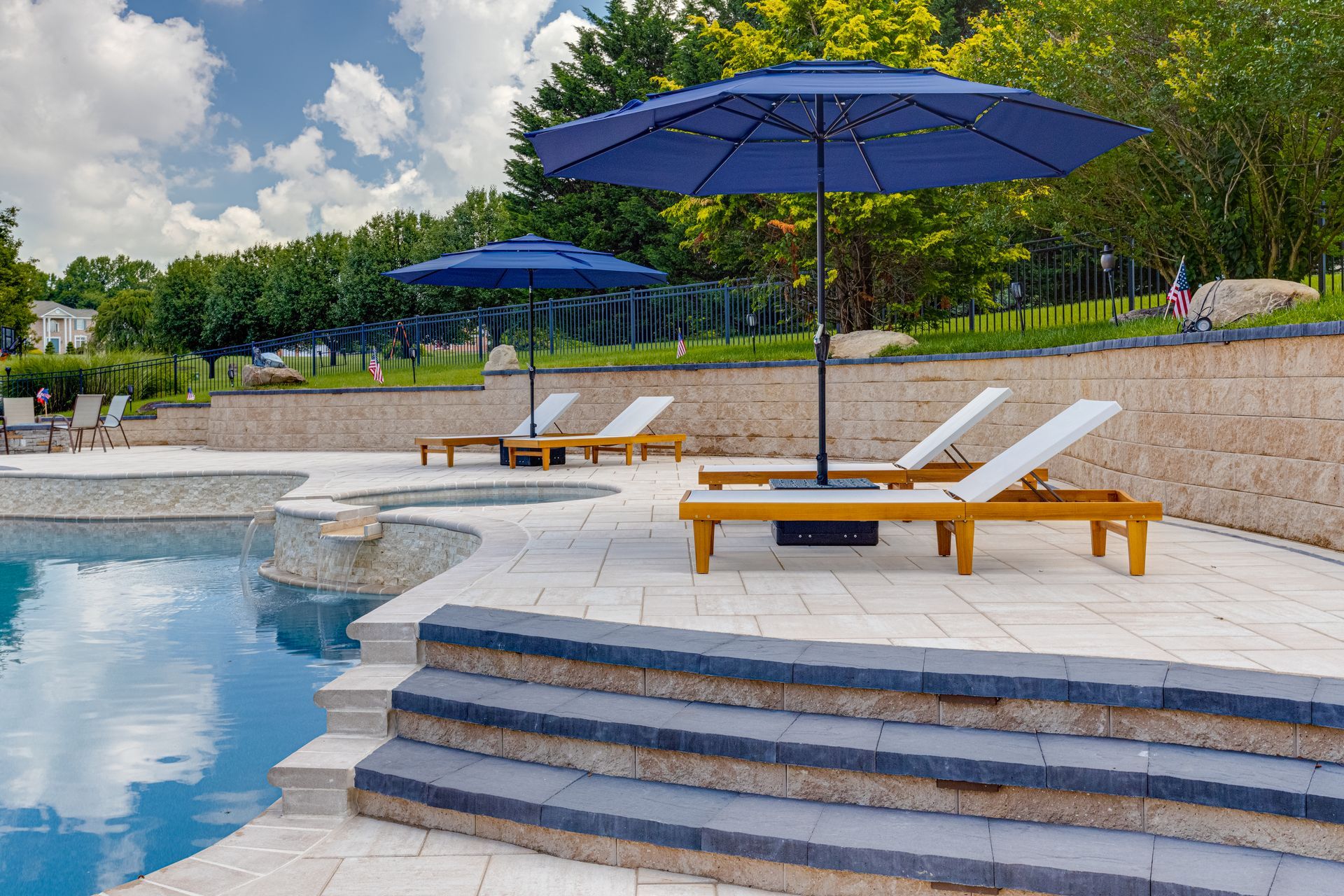
Traction Is Essential Around Water
A pool deck needs enough grip for people walking with wet feet. Smooth surfaces may look clean, but they can become slippery when water splashes onto the deck. This is especially important near steps, shallow entries, lounge areas, and walking paths.
Safer Surfaces Start With Planning
Traction depends on material texture, finish, slope, and how water drains away from the pool. A surface should feel comfortable underfoot without becoming too slick when wet.
Xscape to Nature considers these details before installation. The team also looks at how children, guests, and family members will move around the pool throughout the day. If you are planning a new pool and want the surrounding deck designed from the beginning, explore Xscape to Nature’s Fiberglass Pools Service.
Drainage Helps Protect Comfort and Long-Term Use
Drainage is easy to overlook, but it affects the pool deck every day. Water should move away from important walking areas, seating zones, and nearby structures. Poor drainage can leave puddles, create slippery spots, and make the area harder to maintain.
A strong pool deck plan should consider:
- Where water collects after swimming or rain
- How the deck slopes away from the pool
- Where lounge chairs and furniture will sit
- How the surface connects to patios or walkways
- Whether future features may be added
Xscape to Nature reviews grading, surrounding hardscape, and access points before recommending a layout. This helps the finished pool area feel cleaner, safer, and easier to enjoy.
Lounge Areas Need More Space Than Homeowners Expect
One common pool deck mistake is underestimating how much space lounge chairs need. A chair may fit on paper, but people still need room to walk around it, pull it back, and move safely near the pool edge.
Comfort Comes From Clear Zones
A strong layout separates walking paths from seating zones. The pool deck may need open space near the water, shaded seating farther back, and a transition toward the patio or outdoor dining area.
This is where working with an outdoor living contractor can make the pool area feel more complete. Xscape to Nature plans pool decks with the rest of the backyard in mind, including patios, walkways, lighting, and gathering areas. If your pool deck should connect to a patio or hardscape area, explore Xscape to Nature’s Patios & Walkways Service.
Pool Decks Should Connect With the Full Backyard
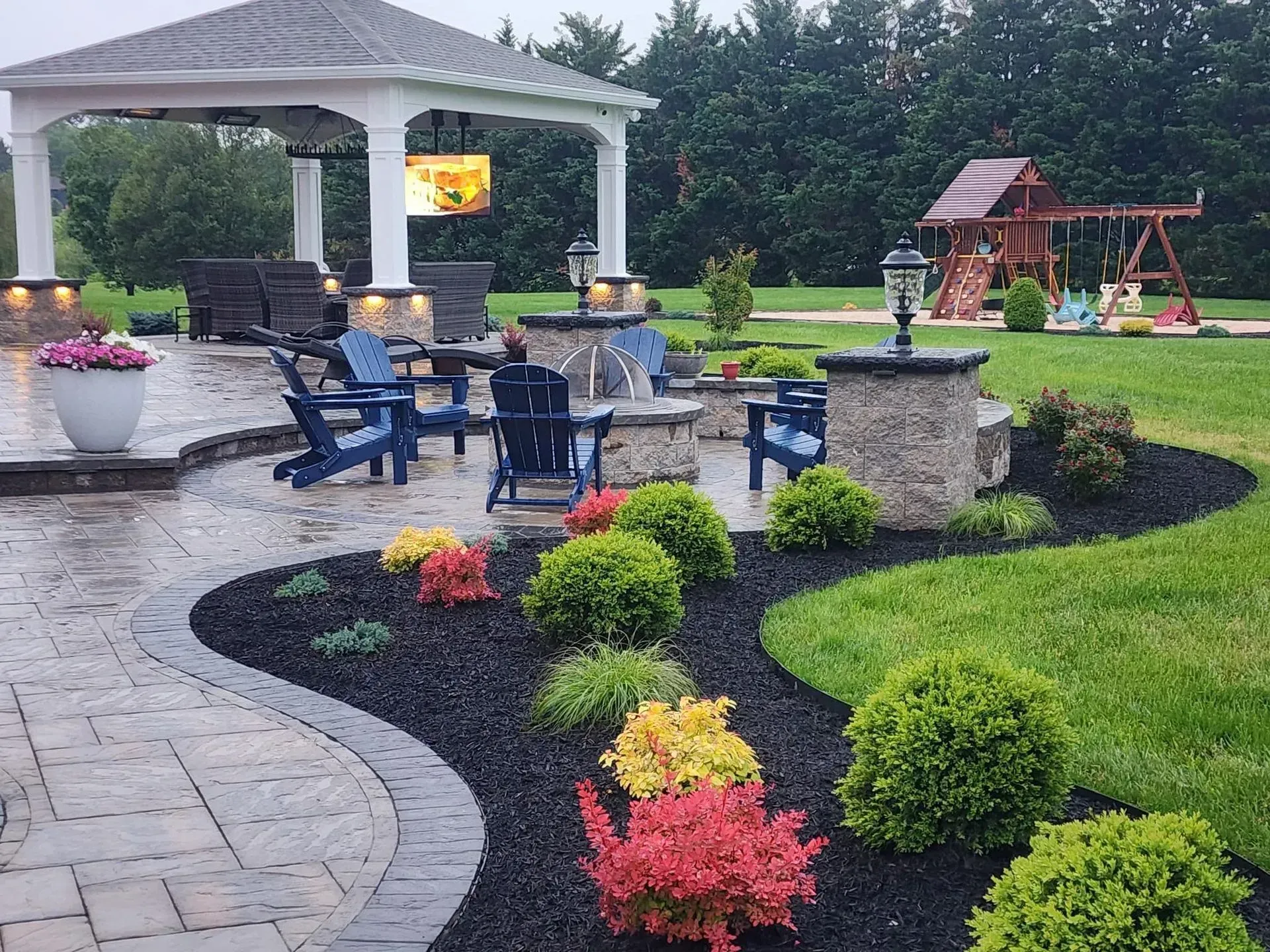
A pool deck should not feel separate from the outdoor living space. It should connect naturally to seating, shade, walkways, and future features. When the layout is planned well, people can move easily from swimming to relaxing, eating, or gathering.
Landscape design is especially helpful when the pool is part of a larger backyard plan. It helps decide where the pool deck should widen, where seating should go, and how the surrounding surfaces should transition into the rest of the yard.
At Xscape to Nature, pool and pool-deck planning focuses on long-term use. The team looks at how the space will feel on hot afternoons, busy weekends, and quiet evenings after sunset.
The right pool deck material should support safety, comfort, drainage, and everyday enjoyment. It should also fit the pool, the home, and the way your family wants to use the backyard.
Share Us!
Xscape 2 Nature Blog