
Retaining Walls That Protect Maryland Properties From Erosion
June 30, 2026
Retaining wall installation can help protect Maryland yards when soil starts washing away, water runs down a slope too quickly, or parts of the property become hard to use after rain. A well-planned retaining wall can hold back soil, manage changes in elevation, and create a more stable outdoor space.
At
Xscape to Nature, retaining walls are planned as both practical and visual features. A wall should not only support the soil. It should also improve how the yard works, how water moves through the property, and how future outdoor features may connect to the space.
Why Maryland Yards Often Need Retaining Walls
Many Maryland properties have sloped areas, heavy soil, wooded sections, or low spots where water collects after rain. Over time, these conditions can cause soil movement, washed-out mulch, uneven lawn areas, and outdoor spaces that are hard to maintain.
Signs Your Yard Is Losing Soil or Becoming Unstable
Homeowners may notice small problems before the yard shows bigger damage. Soil may collect at the bottom of a slope. Mulch may wash into walkways. Lawn areas may feel soft or uneven. In some cases, water may move toward patios, steps, or the foundation.
These signs often mean the property needs more than surface-level landscaping. If your yard is losing soil or becoming harder to use after rain,
explore Xscape to Nature’s Retaining Walls & Seating Walls Service.
How Retaining Wall Installation Helps Protect the Yard
A retaining wall helps manage soil by creating support where the ground changes height. Instead of letting soil shift downhill, the wall helps hold the slope in place and can create more usable outdoor areas.
Why Drainage Behind the Wall Matters
The strength of a retaining wall depends on more than what you see from the outside. Drainage, base preparation, wall height, backfill, and placement all affect long-term performance.
Xscape to Nature looks at how water moves before recommending a wall layout. Without proper drainage planning, water pressure can build behind the wall and cause future problems. With the right design, the wall can help reduce erosion while making the yard easier to maintain.
When a Retaining Wall Should Be Part of a Bigger Plan
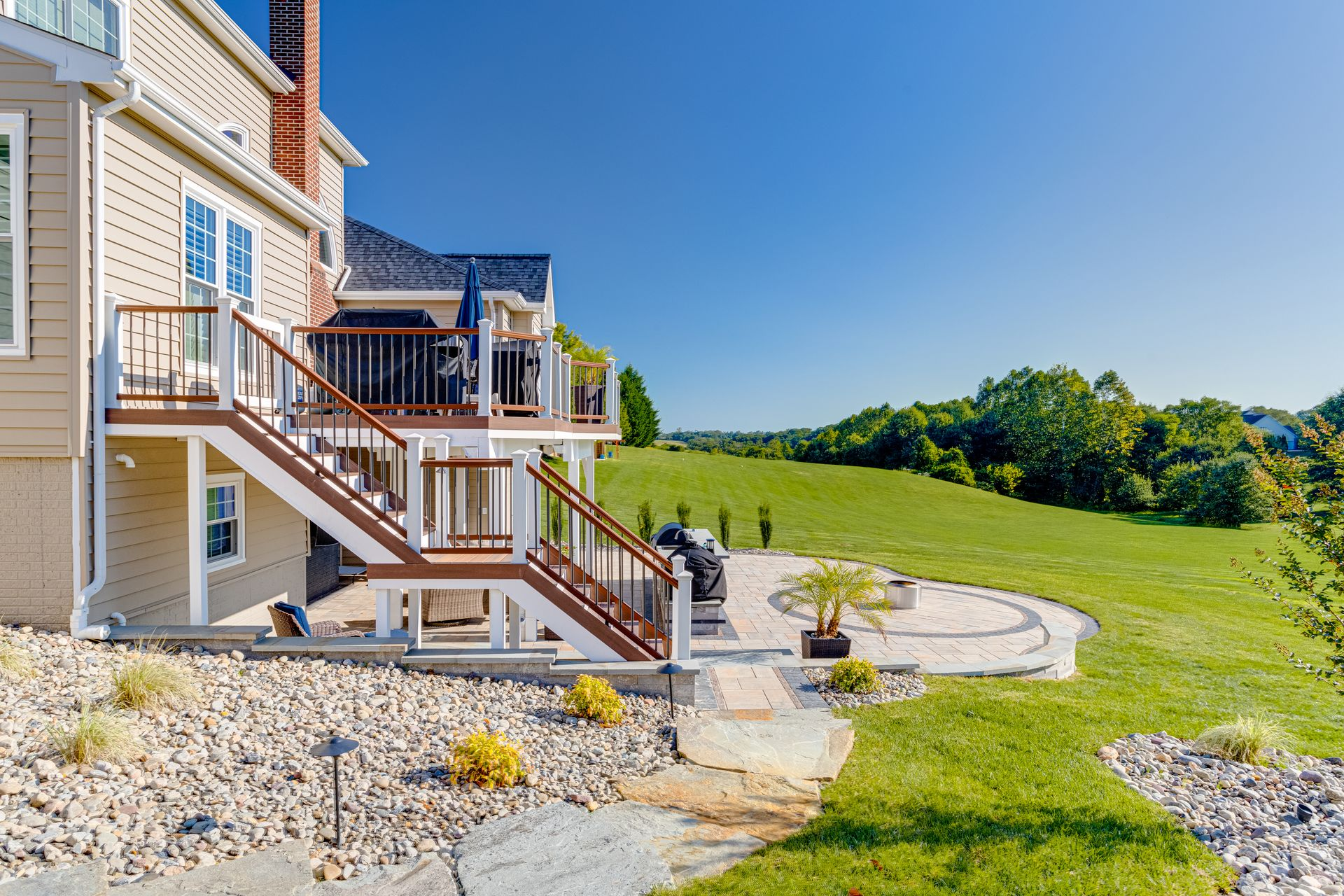
A retaining wall often works best when it is planned with the full yard in mind. It may support a patio, define a garden area, frame steps, or create a flatter space for outdoor seating.
Avoiding Disconnected Outdoor Projects
One common mistake is adding a wall without thinking about how the yard will be used later. A wall may solve a slope problem, but if it is placed without considering walkways, seating, or lighting, the yard may still feel unfinished.
This is where landscape design becomes important. Xscape to Nature connects wall placement with access, outdoor flow, planting areas, and long-term goals. If your yard needs a complete plan before hardscape work begins,
explore Xscape to Nature’s Landscape Design Service.
Retaining Walls and Outdoor Living Spaces
Retaining walls can also improve how homeowners use their outdoor areas. A sloped yard may not support furniture, grilling, or safe movement. With the right wall placement, the landscape can gain structure and more comfortable zones.
For example, a wall can help create a level area for a patio. It can frame a walkway, support planting beds, or separate one outdoor zone from another. Homeowners searching for hardscaping near me or landscaping companies near me are often looking for this kind of practical solution: a yard that looks better and works better.
Xscape to Nature treats retaining walls as part of the full outdoor living plan. If your wall will support seating, walking paths, or a future gathering space,
explore Xscape to Nature’s Patios & Walkways Service.
Before and After: What a Retaining Wall Can Change
Before a retaining wall, a Maryland backyard may feel difficult to use. A slope may wash out after storms. Grass may be hard to maintain. Outdoor furniture may not sit level. A patio area may feel limited because the grade is working against the space.
After a well-planned retaining wall, the yard can feel more organized and stable. Soil stays better controlled. Usable space becomes easier to define. Walkways, planting areas, and outdoor features can feel more connected.
For homeowners comparing landscape upgrade options, this is where working with an outdoor living contractor can make a difference. The goal is not just to build a wall. The goal is to protect the property and create a stronger foundation for how the yard will be used.
What to Consider Before Building a Retaining Wall
A retaining wall should be planned carefully before construction begins. Wall height, material selection, drainage, slope conditions, and surrounding features all matter.
A strong retaining wall plan should consider:
- How water moves through the yard
- Where soil is shifting or washing away
- Whether the wall will support a patio
- How people will move around the space
- What future outdoor features may be added
If your retaining wall may connect to outdoor dining, seating, or a future cooking area, contact Ashley River Wired team today to start planning a stronger, more usable outdoor space.
Share Us!
Xscape 2 Nature Blog