
Planning a Paver Patio That Complements Your Outdoor Living Space
June 25, 2026
Paver patio installation can help turn an underused backyard into a more comfortable and organized outdoor living space. A well-planned patio gives homeowners a defined place to sit, dine, relax, and gather. It also helps connect the home to other backyard features, such as walkways, lighting, fire areas, or outdoor kitchens.
At Xscape to Nature, a paver patio is never planned as just a surface. The team looks at how the space will be used, how people will move through the yard, and how the patio should support long-term outdoor living. The goal is to create a patio that feels natural, durable, and connected to the rest of the property.
Start With How the Patio Will Be Used
Before choosing paver colors, patterns, or shapes, homeowners should think about daily use. A patio for quiet evenings needs a different layout than one designed for family meals or weekend entertaining.
Why Function Comes Before Materials
A beautiful patio can still feel uncomfortable if the layout is wrong. Chairs need room to move. Dining areas need enough space around the table. Walkways should feel natural from the back door to the rest of the yard.
Xscape to Nature begins with these practical details because they affect how often the patio is used. If your backyard needs a clear layout before materials are selected,
explore Xscape to Nature’s Landscape Design Service.
Make the Patio Fit the Full Backyard
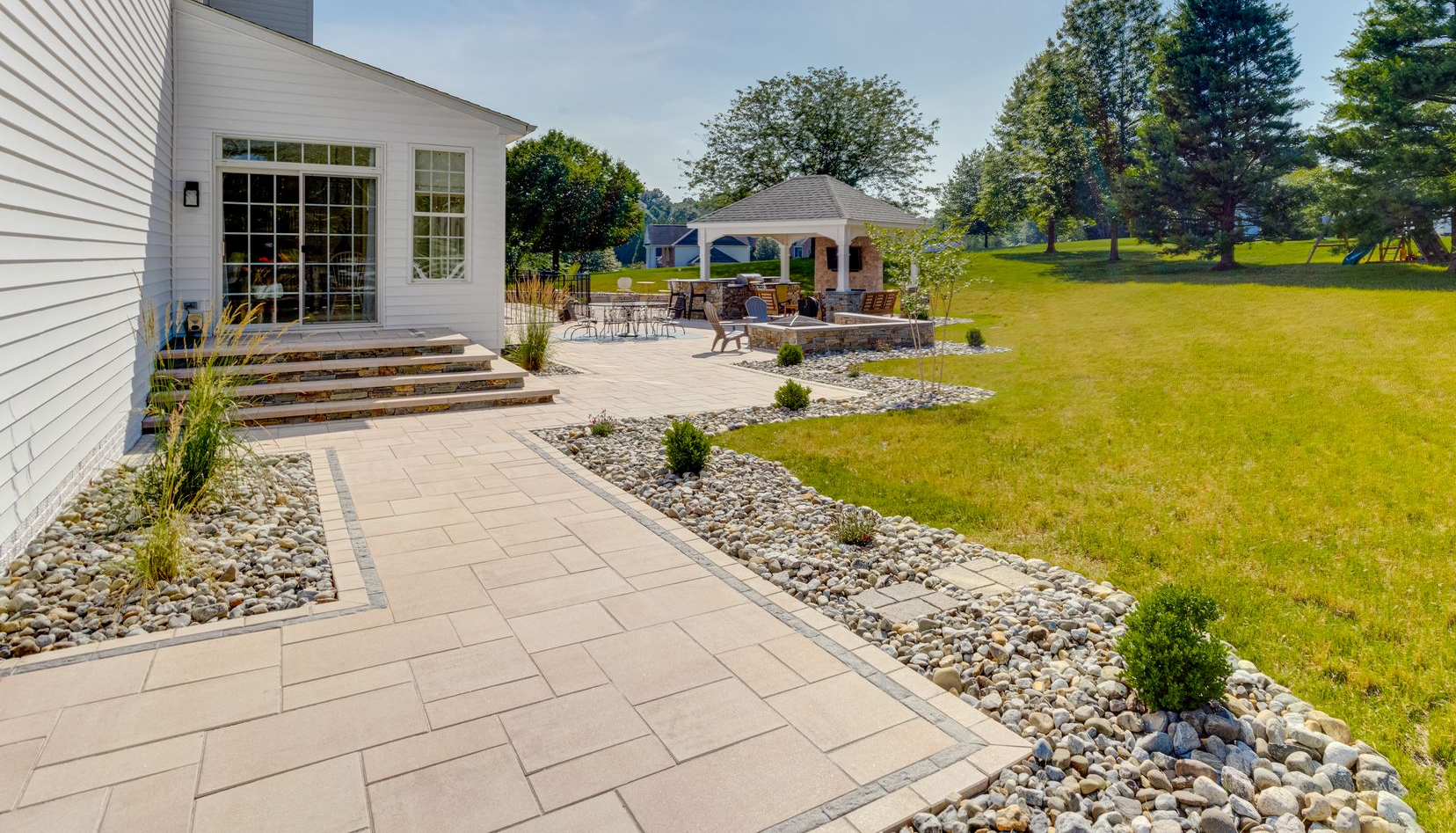
A paver patio should not feel like it was placed in the yard without a plan. It should connect to the home, lawn, garden beds, walkways, and future outdoor features.
Creating Better Outdoor Flow
Good flow means people can move easily between spaces. The patio should not block access to the yard. It should not feel too far from the house. It should also leave room for furniture, planters, or future upgrades.
Homeowners searching for a patio contractor near me or patio builder near me are often looking for help with this kind of planning. Xscape to Nature considers traffic flow, door access, slope, and surrounding features before construction begins. To create stronger movement between seating areas and walkways,
explore Xscape to Nature’s Patios & Walkways Service.
Choose Materials That Match the Space
Pavers come in many styles, textures, and colors, so material choice should support both appearance and function. The patio should complement the home’s exterior, nearby hardscaping, and the overall mood of the outdoor space.
Some homeowners compare pavers with a stamped concrete patio because both can create a finished outdoor surface. Pavers often appeal to homeowners who want pattern flexibility, defined edges, and a modular look. The best choice depends on the property, design goals, and how the space will be used.
Xscape to Nature helps homeowners choose materials that feel balanced with the home and practical for long-term use.
Plan for Drainage, Base Prep, and Long-Term Performance
A patio’s strength depends on what happens below the surface. Even the best pavers can shift if the base is weak or water is not managed correctly
What Homeowners Should Not Overlook
Drainage, grading, compaction, and edge restraint all matter. If water collects under or around the patio, the surface can become uneven over time. If the base is not prepared correctly, pavers may settle or move.
Xscape to Nature reviews site conditions before installation so the patio is built for real outdoor use. This is especially important when the patio connects to slopes, steps, retaining walls, or other hardscape features.
Connect the Patio With Outdoor Living Features
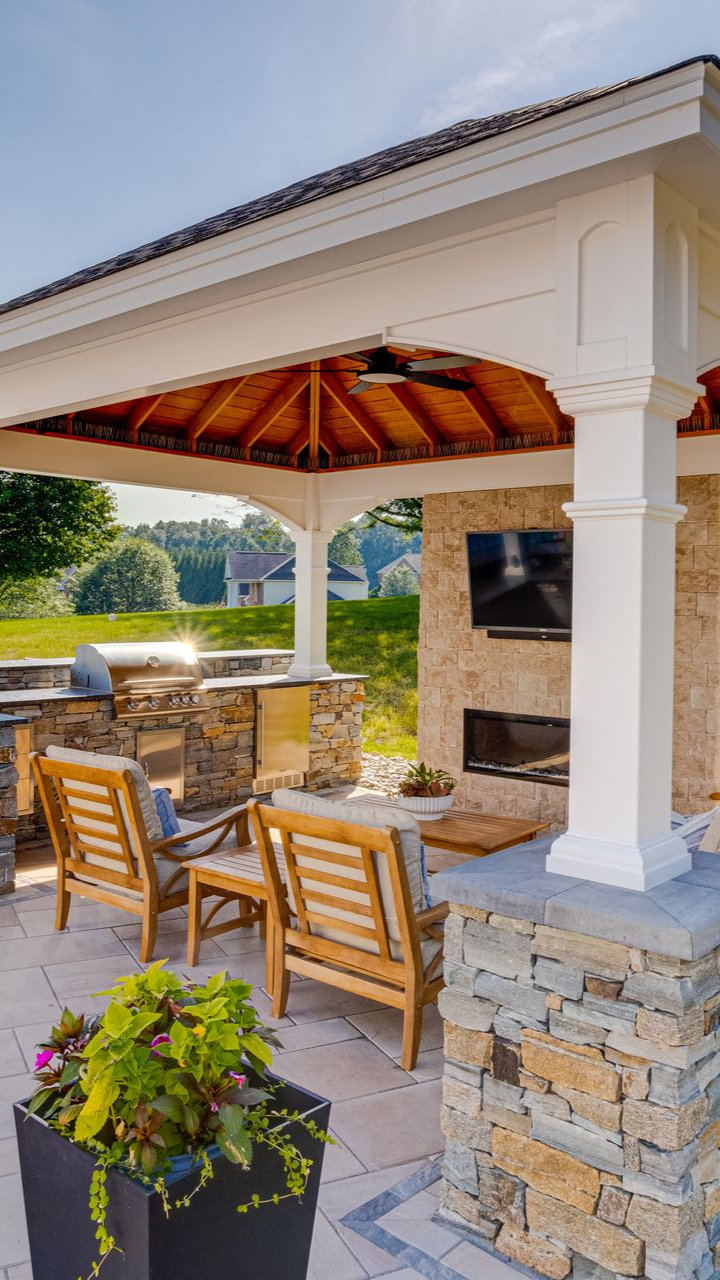
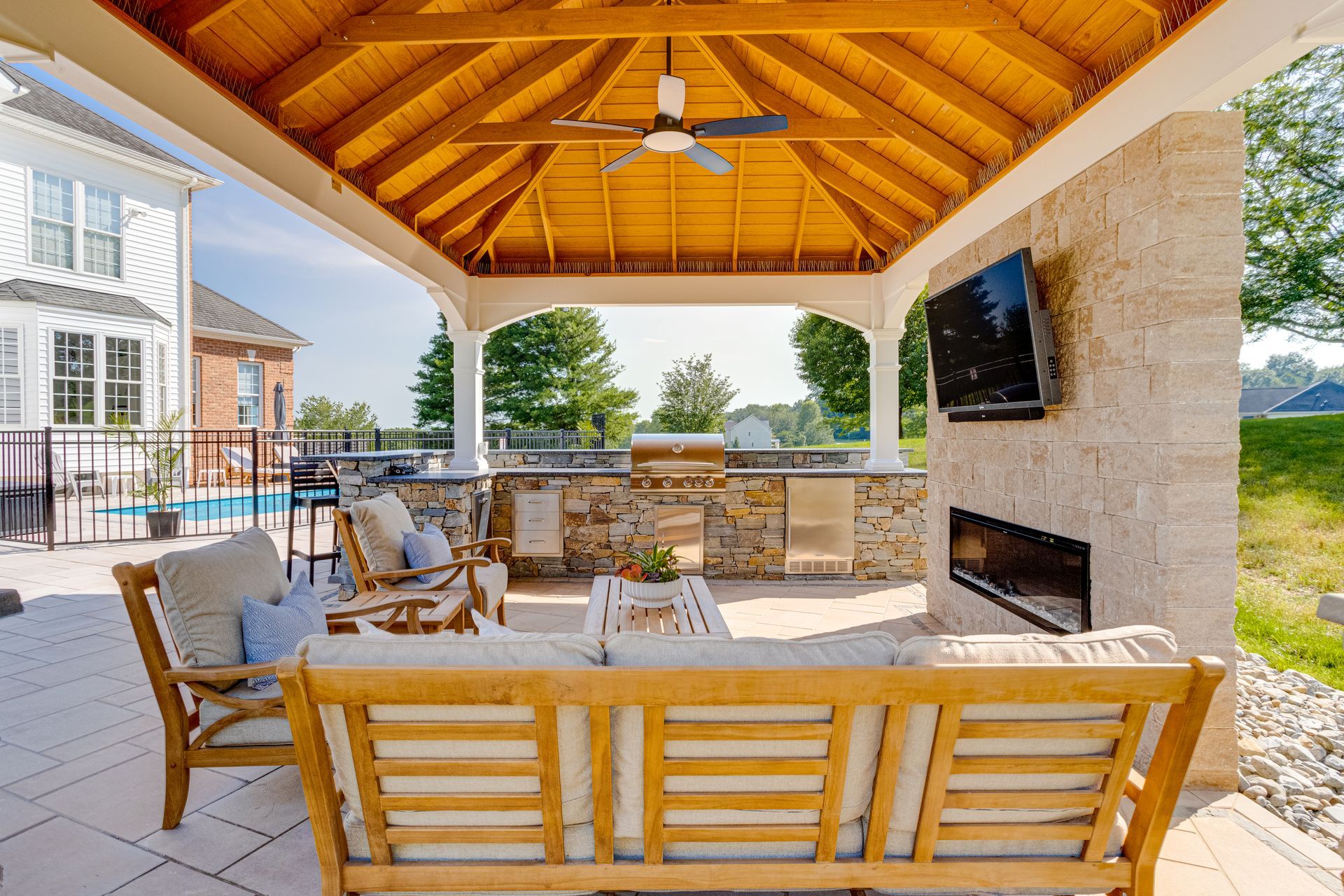
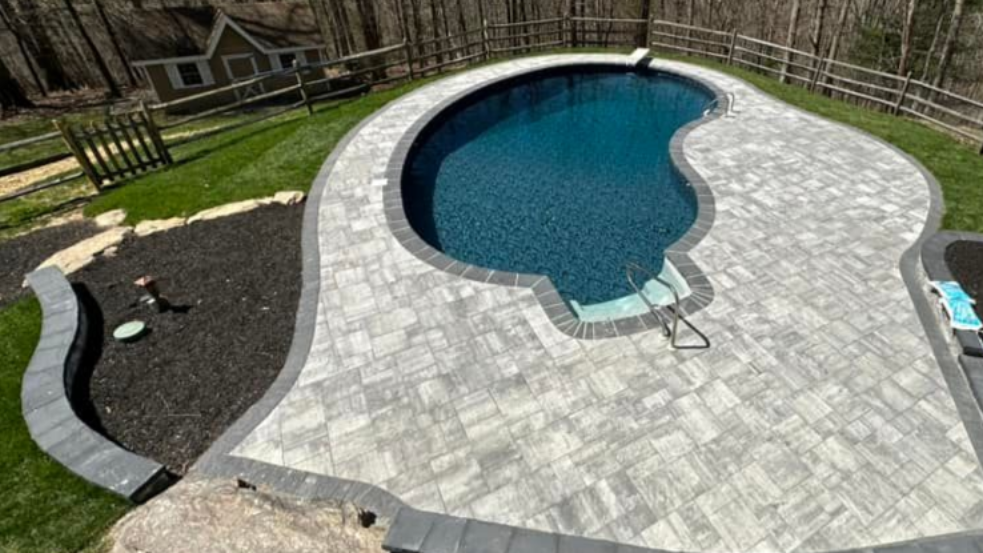
A paver patio can be the foundation for a larger outdoor living plan. It may support a dining area, fire feature, pergola, outdoor kitchen, or pool access.
Before construction begins, homeowners should think about what they may want later. A patio that feels spacious today may become crowded if future features are not planned early. Seating, cooking, shade, and lighting all need room to work together.
This is where working with an outdoor living contractor can make the project feel more complete. Xscape to Nature helps homeowners plan patios that support how the backyard may grow over time. If outdoor cooking or entertaining is part of your long-term vision,
explore Xscape to Nature’s Outdoor Kitchens Service.
Before and After: What a Paver Patio Can Change
Before a paver patio, the yard may feel unfinished. Furniture may sit on grass, guests may gather too close to the house, and the outdoor space may not feel comfortable for regular use.
After a thoughtful paver patio installation, the backyard has a clear destination. Seating feels intentional. Walkways make more sense. The space becomes easier to use for meals, conversations, and quiet evenings outside.
For homeowners comparing landscaping companies near me, the real value is not only the finished surface. It is the planning behind the patio, the way it connects to the yard, and how well it supports everyday outdoor living.
What to Consider Before Building a Paver Patio
A successful patio starts with clear planning. Before construction begins, homeowners should understand the space, site conditions, and long-term goals.
A smart paver patio plan should consider:
• How the patio will be used
• Where furniture and walking space should go
• How water moves through the yard
• Which materials fit the home
• What future features may be added
If you are ready to create a patio that feels comfortable, connected, and built for long-term outdoor use,
contact Xscape to Nature to discuss your paver patio project.
Share Us!
Xscape 2 Nature Blog