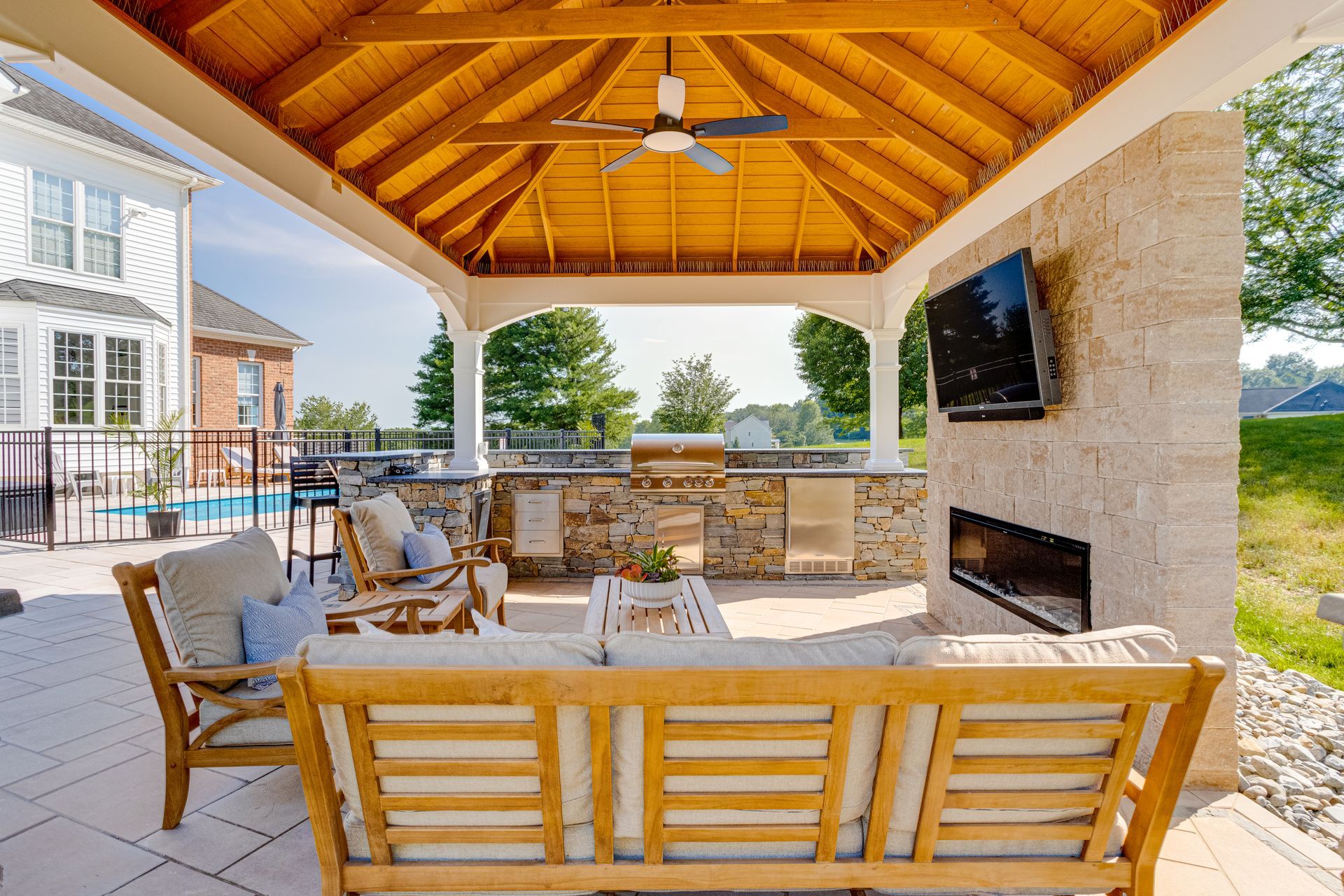

How Outdoor Living Structures Shape the Way People Gather

February 14, 2026

Outdoor Living Structures and the Way People Gather

The way people use their homes has evolved, and outdoor spaces now play a larger role in daily life and social connection. Patios, seating areas, and built-in features are no longer just visual additions to a property. They shape how families spend time together and how guests experience a home. Thoughtful outdoor living environments create inviting spaces where conversations happen naturally and gatherings feel more relaxed.


Xscape 2 Nature works with homeowners who want outdoor spaces designed not only for appearance but for meaningful use throughout the year. Well-planned spaces encourage people to spend more time outside and together.


Outdoor Layout Influences Interaction

The layout of a backyard can affect how people move and interact within it. Strategic hardscape design considers pathways, seating areas, and focal points that naturally draw people together. When outdoor structures are positioned thoughtfully, they create a flow that supports conversation and connection rather than separation.


A well-designed layout helps gatherings feel comfortable and intuitive. Guests tend to gravitate toward spaces that feel open, accessible, and welcoming.


Patios Create a Central Gathering Point

A professionally built patio often becomes the center of activity during gatherings. Working with an experienced patio builder ensures the space is both functional and inviting. The size, shape, and materials of a patio all influence how people use it, from casual evening conversations to larger celebrations.


Central gathering areas help define how outdoor spaces are experienced. They provide a place where guests naturally come together without feeling confined.


Built-In Features Encourage Longer Visits

Features such as seating walls, fire elements, and outdoor kitchens extend the amount of time people spend outdoors. These additions make outdoor spaces more practical for dining, entertaining, and relaxing. When outdoor features support comfort and convenience, gatherings tend to last longer and feel more enjoyable.


Functional elements transform patios into complete living environments. They make hosting feel easier and more natural.

Outdoor Spaces Reflect Lifestyle Preferences

Every household uses its outdoor area differently. Some homeowners prioritize quiet evenings, while others plan frequent social gatherings. A knowledgeable hardscaping contractor helps translate these preferences into a layout that supports the intended lifestyle. Designing with purpose ensures the space feels personalized rather than generic.


Outdoor environments should reflect how homeowners want to live and gather. Personalized design makes spaces more inviting to use regularly.

Backyard patio with gray pavers and fire pit, overlooking a modern house.

Seamless Transitions Between Indoor and Outdoor Areas

Outdoor structures that connect naturally to interior spaces tend to be used more often. Smooth transitions between indoor and outdoor areas make it easier for guests to move freely during gatherings. Thoughtful planning helps create continuity between the home and surrounding landscape, enhancing both comfort and accessibility.


When movement feels effortless, gatherings feel more relaxed. Guests can spread out without feeling disconnected.


Multi-Season Use Expands Gathering Opportunities

Outdoor spaces that are designed for multi-season use support gatherings throughout the year. Covered areas, built-in seating, and durable surfaces make it easier to host even as weather conditions change. Well-constructed outdoor gathering spaces allow homeowners to enjoy their property beyond peak summer months.


Extended usability increases the value of outdoor improvements. It allows homeowners to make the most of their investment.


How Homeowners Begin Planning Their Space

Many homeowners start by researching inspiration and exploring possibilities online. It is common to begin searching for "hardscaping near me" when considering new outdoor features. Finding a design-focused team helps homeowners move from ideas to a cohesive plan that fits their property and lifestyle.


Early planning allows for more creative and functional solutions. Collaboration helps bring long-term outdoor goals into focus.


Outdoor Living as a Long-Term Investment

Well-designed backyard living spaces influence how families and friends gather for years to come. Outdoor structures shape experiences, encourage connection, and create lasting memories. When design and construction are approached thoughtfully, these spaces become an essential extension of the home rather than a secondary feature.


Contact Xscape 2 Nature today to explore outdoor living designs that help shape the way you gather, relax, and enjoy your space throughout the year.
By X2N June 30, 2026
Retaining wall installation can help protect Maryland yards when soil starts washing away, water runs down a slope too quickly, or parts of the property become hard to use after rain. A well-planned retaining wall can hold back soil, manage changes in elevation, and create a more stable outdoor space. At Xscape to Nature , retaining walls are planned as both practical and visual features. A wall should not only support the soil. It should also improve how the yard works, how water moves through the property, and how future outdoor features may connect to the space. Why Maryland Yards Often Need Retaining Walls Many Maryland properties have sloped areas, heavy soil, wooded sections, or low spots where water collects after rain. Over time, these conditions can cause soil movement, washed-out mulch, uneven lawn areas, and outdoor spaces that are hard to maintain. Signs Your Yard Is Losing Soil or Becoming Unstable Homeowners may notice small problems before the yard shows bigger damage. Soil may collect at the bottom of a slope. Mulch may wash into walkways. Lawn areas may feel soft or uneven. In some cases, water may move toward patios, steps, or the foundation. These signs often mean the property needs more than surface-level landscaping. If your yard is losing soil or becoming harder to use after rain, explore Xscape to Nature’s Retaining Walls & Seating Walls Service . How Retaining Wall Installation Helps Protect the Yard A retaining wall helps manage soil by creating support where the ground changes height. Instead of letting soil shift downhill, the wall helps hold the slope in place and can create more usable outdoor areas. Why Drainage Behind the Wall Matters The strength of a retaining wall depends on more than what you see from the outside. Drainage, base preparation, wall height, backfill, and placement all affect long-term performance. Xscape to Nature looks at how water moves before recommending a wall layout. Without proper drainage planning, water pressure can build behind the wall and cause future problems. With the right design, the wall can help reduce erosion while making the yard easier to maintain.
By X2N June 25, 2026
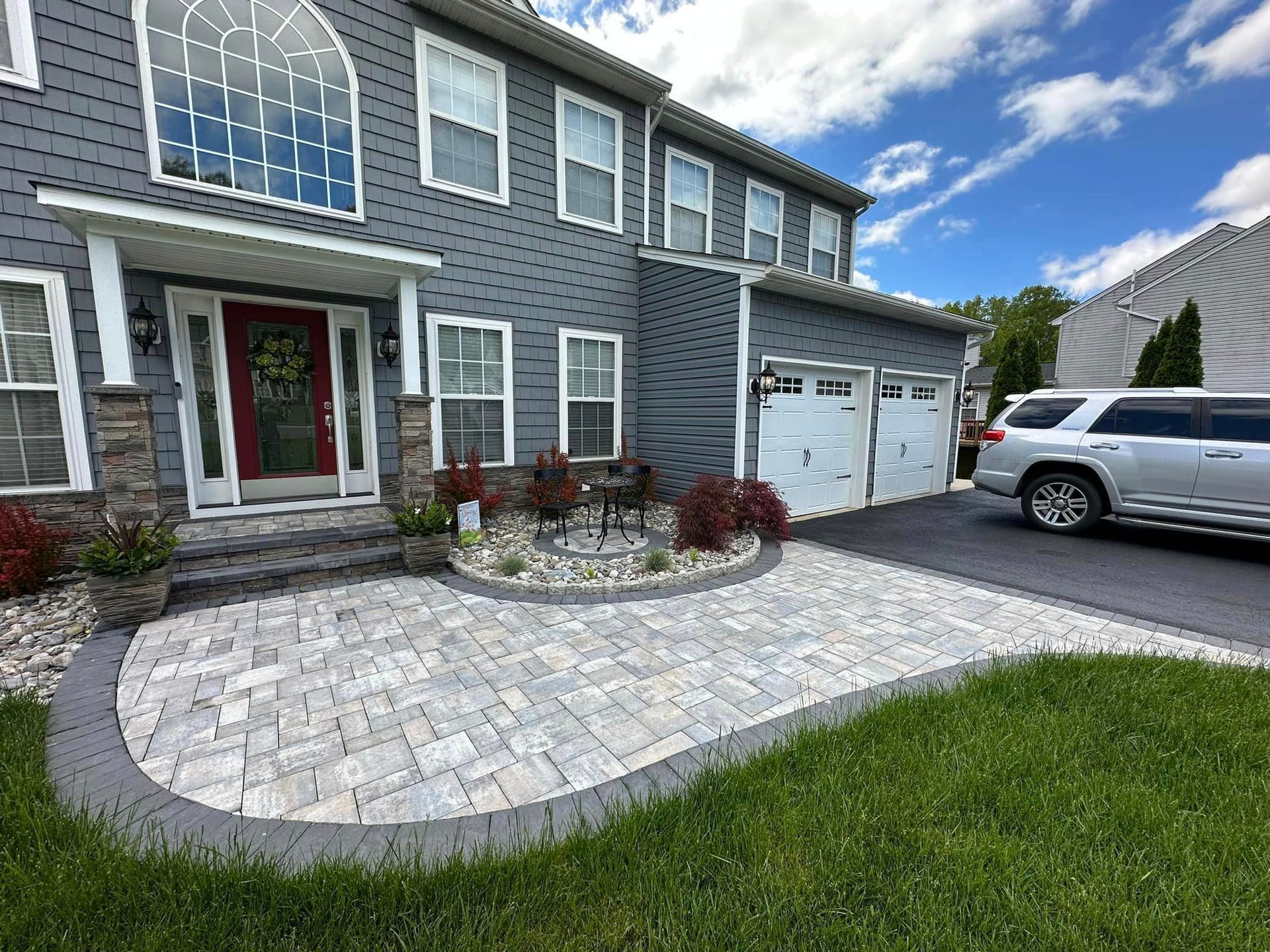
Learn how paver patio installation can create a comfortable outdoor living space with better flow, function, style, and long-term backyard use.
By X2N June 18, 2026
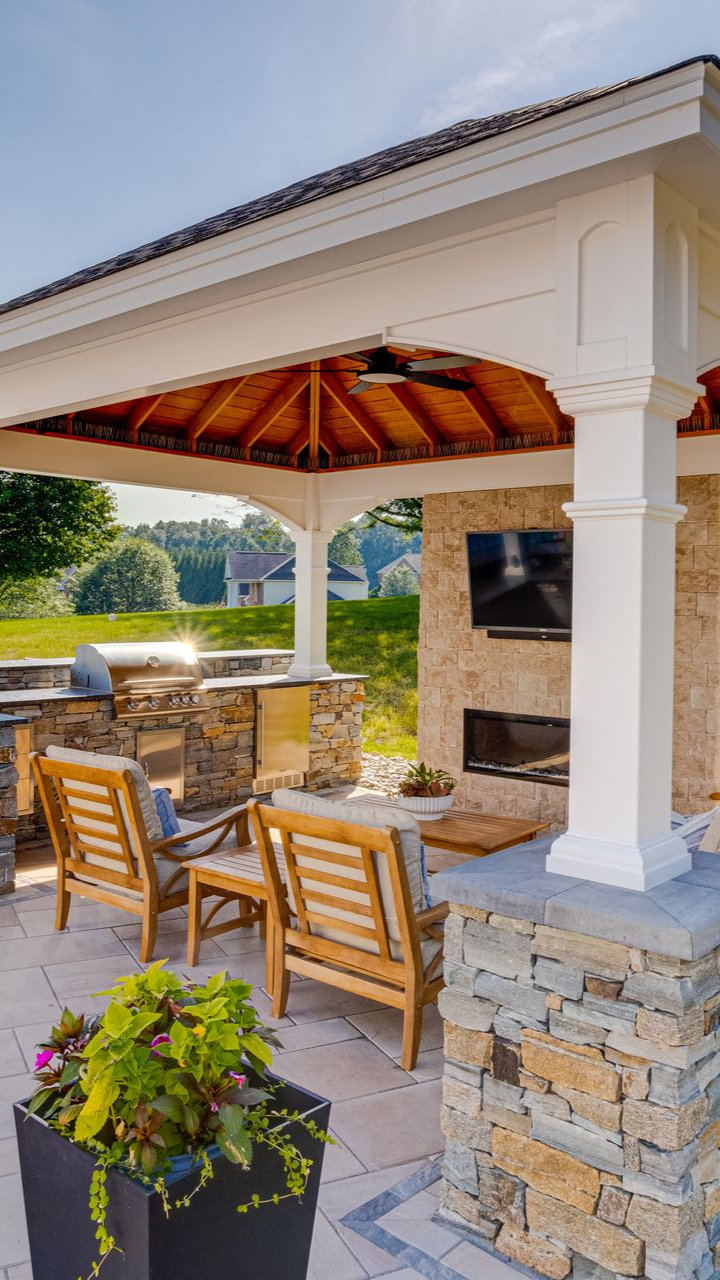
Learn how outdoor fireplace installation can extend backyard use, add warmth, improve gathering areas, and connect with patios and hardscaping.
Show More

Share Us!

Xscape 2 Nature Blog

By X2N June 30, 2026
Retaining wall installation can help protect Maryland yards when soil starts washing away, water runs down a slope too quickly, or parts of the property become hard to use after rain. A well-planned retaining wall can hold back soil, manage changes in elevation, and create a more stable outdoor space. At Xscape to Nature , retaining walls are planned as both practical and visual features. A wall should not only support the soil. It should also improve how the yard works, how water moves through the property, and how future outdoor features may connect to the space. Why Maryland Yards Often Need Retaining Walls Many Maryland properties have sloped areas, heavy soil, wooded sections, or low spots where water collects after rain. Over time, these conditions can cause soil movement, washed-out mulch, uneven lawn areas, and outdoor spaces that are hard to maintain. Signs Your Yard Is Losing Soil or Becoming Unstable Homeowners may notice small problems before the yard shows bigger damage. Soil may collect at the bottom of a slope. Mulch may wash into walkways. Lawn areas may feel soft or uneven. In some cases, water may move toward patios, steps, or the foundation. These signs often mean the property needs more than surface-level landscaping. If your yard is losing soil or becoming harder to use after rain, explore Xscape to Nature’s Retaining Walls & Seating Walls Service . How Retaining Wall Installation Helps Protect the Yard A retaining wall helps manage soil by creating support where the ground changes height. Instead of letting soil shift downhill, the wall helps hold the slope in place and can create more usable outdoor areas. Why Drainage Behind the Wall Matters The strength of a retaining wall depends on more than what you see from the outside. Drainage, base preparation, wall height, backfill, and placement all affect long-term performance. Xscape to Nature looks at how water moves before recommending a wall layout. Without proper drainage planning, water pressure can build behind the wall and cause future problems. With the right design, the wall can help reduce erosion while making the yard easier to maintain.
By X2N June 25, 2026
Learn how paver patio installation can create a comfortable outdoor living space with better flow, function, style, and long-term backyard use.
By X2N June 18, 2026
Learn how outdoor fireplace installation can extend backyard use, add warmth, improve gathering areas, and connect with patios and hardscaping.
More Posts