
The Science Behind Hardscape Durability: Why Some Outdoor Spaces Last Longer
February 9, 2026
The Science Behind Hardscape Durability: Why Some Outdoor Spaces Last Longer
Outdoor spaces are built to withstand daily use and seasonal changes, but not all hardscapes perform the same over time. Some patios and walkways remain stable and visually consistent for years, while others begin to shift or deteriorate sooner than expected. The difference often comes down to planning, material selection, and installation methods.
Xscape 2 Nature (X2N) works with homeowners who want outdoor environments that hold up through changing seasons and continued use, and that begins with thoughtful hardscaping design and construction practices. Durability is rarely accidental. It is the result of decisions made long before the first stone is placed.
Material Selection Plays a Major Role
The longevity of any hardscape starts with choosing the right materials. Natural stone, concrete pavers, and other surfaces all respond differently to moisture, temperature changes, and daily wear. A reputable hardscaping company considers how each material will perform in the local environment rather than focusing only on appearance.
Selecting materials suited to the climate and intended use helps ensure that surfaces maintain their structure and finish over time. Quality materials create a strong foundation for long-term performance.
Base Preparation Determines Long-Term Stability
What lies beneath the surface often matters more than what is visible. Proper hardscape installation includes excavation, grading, and compacted base layers designed to support the finished structure. Without adequate base preparation, even high-quality materials may shift or settle unevenly.
A stable base distributes weight and helps prevent movement caused by moisture or seasonal changes. Strong preparation supports lasting results.
Drainage and Grading Protect the Structure
Water management is one of the most important factors in hardscape durability. Poor drainage and grading can allow water to collect beneath surfaces, weakening the base and leading to shifting or erosion. When water is directed away effectively, hardscapes are better able to withstand seasonal weather and daily use.
Thoughtful drainage planning helps maintain both stability and appearance. Proper water flow supports long-term structural health.
Design Influences Performance Over Time
Durable outdoor environments begin with thoughtful hardscaping design. Layout decisions, material transitions, and elevation changes all influence how a space performs. When design accounts for natural drainage patterns and structural support, the finished result is more likely to remain stable.
A well-planned design helps ensure that visual appeal and functionality develop together.
Design decisions shape both aesthetics and longevity.

Patios Are Built for Daily Use
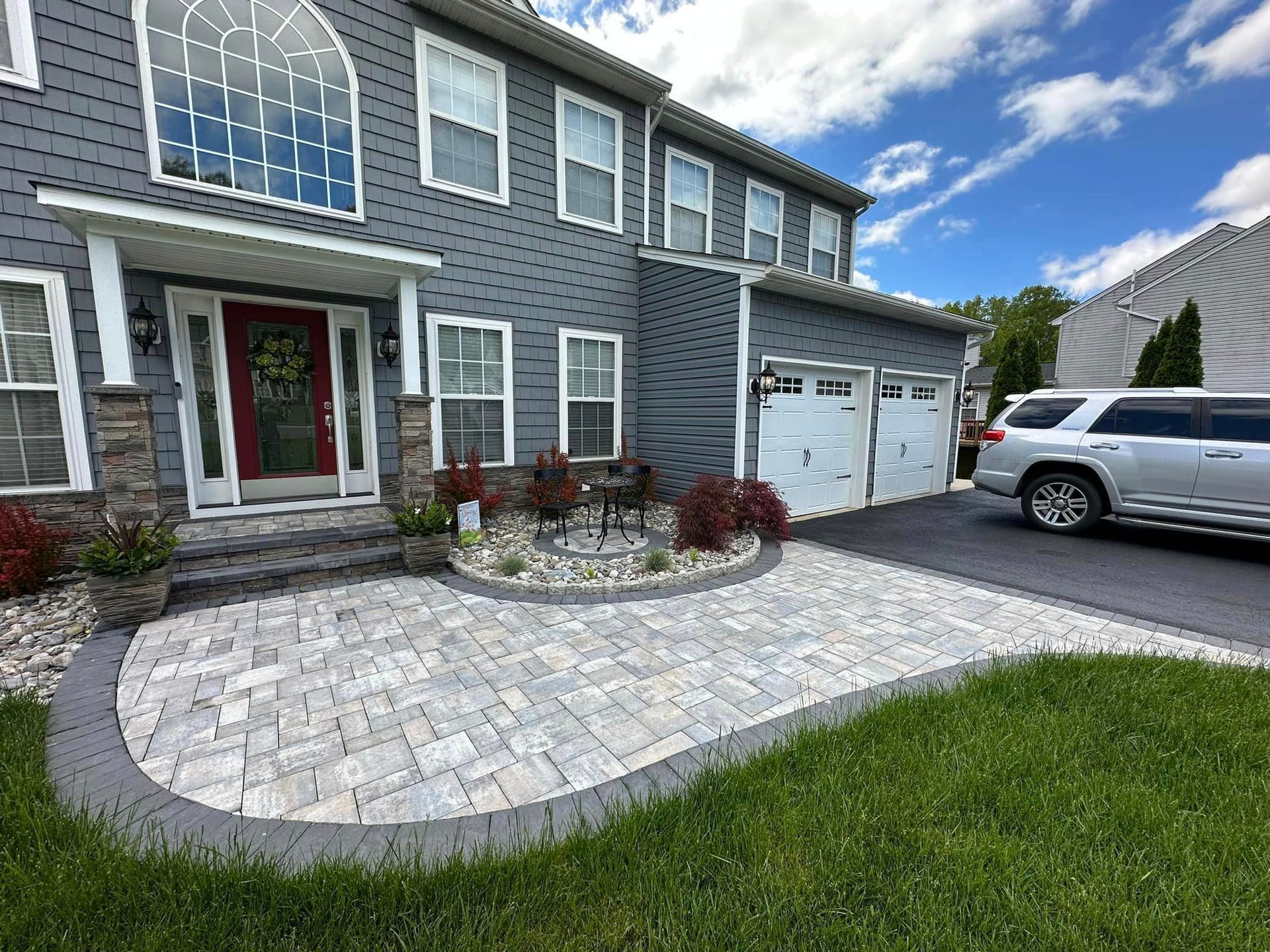
Patios often serve as central gathering spaces and must withstand regular foot traffic and changing weather. Working with an experienced patio builder ensures that these areas are constructed with durability in mind. Proper spacing, jointing, and base preparation help surfaces remain level and secure through repeated use.
Attention to these details allows patios to maintain their performance year after year. Consistency in construction supports long-term enjoyment.
Retaining Structures Provide Support
In many outdoor environments, grade changes require additional structural support. Carefully constructed retaining walls help manage soil movement and maintain stable elevations. When these structures are built correctly, they reduce the likelihood of shifting and protect surrounding hardscape features.
Structural elements like retaining walls contribute significantly to overall durability. Support systems help preserve the entire space.
Outdoor Living Spaces Must Handle Seasonal Change
Well-built outdoor living spaces are designed to perform through heat, cold, moisture, and regular use. Seasonal changes place stress on materials and underlying layers, making proper construction essential. Spaces that are designed with climate considerations in mind tend to maintain their appearance and stability longer than those built without long-term planning. Preparation for seasonal change improves resilience.
The Role of Experienced Installation
Experience plays a key role in determining how well a hardscape performs over time. A knowledgeable patio company understands how materials interact with the environment and how installation techniques affect longevity.
Careful planning, precise measurements, and attention to detail all contribute to a finished space that remains reliable through years of use. Professional insight supports consistent results.
How Homeowners Begin Planning Durable Spaces
When homeowners start planning new outdoor features, many begin by researching options online. It is common to start by searching for "Hardscaping near me" to explore local expertise and project possibilities. Finding a provider focused on durability and thoughtful design helps ensure that the finished space continues to perform as expected long after installation. Informed planning leads to stronger outcomes.
Building Outdoor Spaces That Stand the Test of Time
Hardscape durability is shaped by a combination of materials, preparation, and design. When each element is considered carefully, outdoor environments are better equipped to handle both daily use and seasonal conditions.
Contact Xscape 2 Nature today to explore hardscape designs and construction methods that help outdoor spaces last longer and perform beautifully over time.
Share Us!
Xscape 2 Nature Blog