

End-of-Summer Hardscaping Checklist to Keep Your Outdoor Spaces Healthy
September 17, 2025
Fall Prep for Hardscapes from a Maryland Outdoor Living Company
As summer winds down, the heat, sun, and occasional storms can take a toll on your hardscaping elements—patios, walkways, retaining walls, and outdoor living areas. Taking the time for end-of-summer hardscaping maintenance ensures that your outdoor spaces remain functional, safe, and visually appealing as fall approaches.
Xscape 2 Nature has your complete guide to prevent small cracks, shifting pavers, or drainage issues from turning into costly repairs later. From inspecting surfaces to cleaning and minor repairs, a structured checklist helps homeowners protect their investment and enjoy their outdoor spaces longer.
Before diving into the checklist, it’s important to note that some maintenance tasks may require professional expertise. Finding a hardscaping company near me can help ensure that larger repairs or structural checks are performed correctly and safely. Even if you plan to do most tasks yourself, consulting professionals for inspections or complex projects can save time and prevent damage.
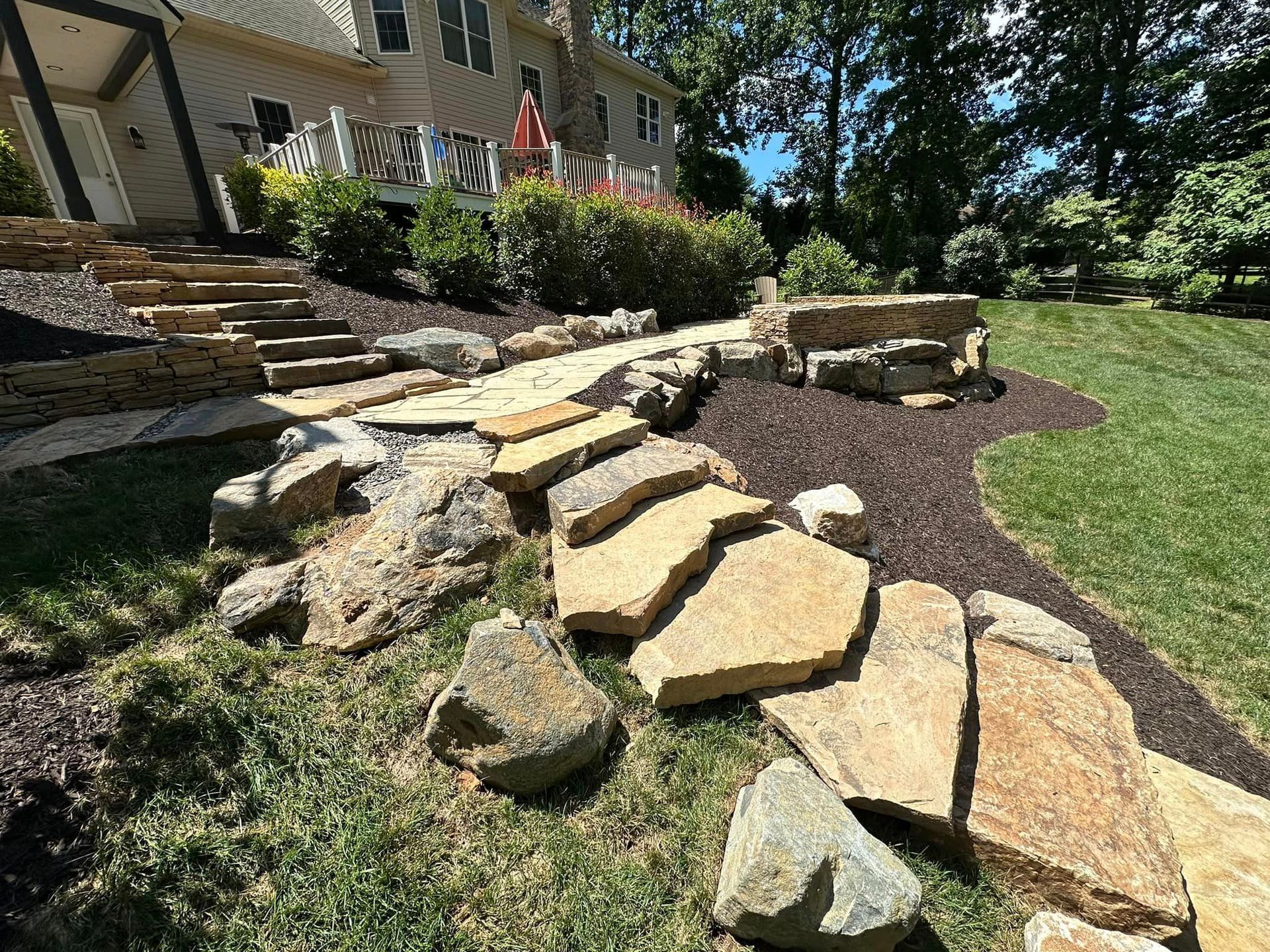
Inspect Patios, Walkways, and Retaining Walls
Start by thoroughly inspecting all hardscaping elements. Heat and summer storms can cause minor cracks in patios, shifting pavers, or loose stones in retaining walls. Even small issues can worsen over time if left unaddressed, particularly as fall rains and cooler weather arrive.
Look for cracks, loose pavers, erosion near retaining walls, and any pooling water around patios and walkways. Addressing these problems early as part of hardscaping maintenance keeps your structures safe and extends their lifespan. If you notice larger issues, consulting a hardscaping company in Maryland ensures that repairs are done correctly and efficiently.
Clean and Maintain Hardscaping Surfaces
After inspection, focus on cleaning your hardscape surfaces. Sweep patios, remove debris from walkways, and pressure-wash stone or concrete surfaces if needed. Cleaning prevents moss, algae, and staining, which can worsen with cooler, wetter fall weather.
For paver patios, check the sand or polymeric joints and refill where necessary to maintain stability. These steps are key to maintaining safe, level surfaces and are part of a comprehensive hardscaping maintenance checklist. If you’re unsure about proper care, a patio contractor can provide guidance for paver upkeep and repair.
Check Drainage and Prevent Water Damage
Proper drainage is crucial for protecting hardscaping features. End-of-summer is the perfect time to ensure water flows away from patios, retaining walls, and walkways.
Clear leaves, soil, or debris from gutters, downspouts, and drainage channels. Inspect retaining walls and sloped areas for signs of erosion or water pooling. Addressing drainage issues proactively prevents cracks, structural damage, and long-term instability. For larger drainage or erosion challenges, a hardscaping company can provide expert solutions tailored to your property.
Protect Outdoor Living Areas
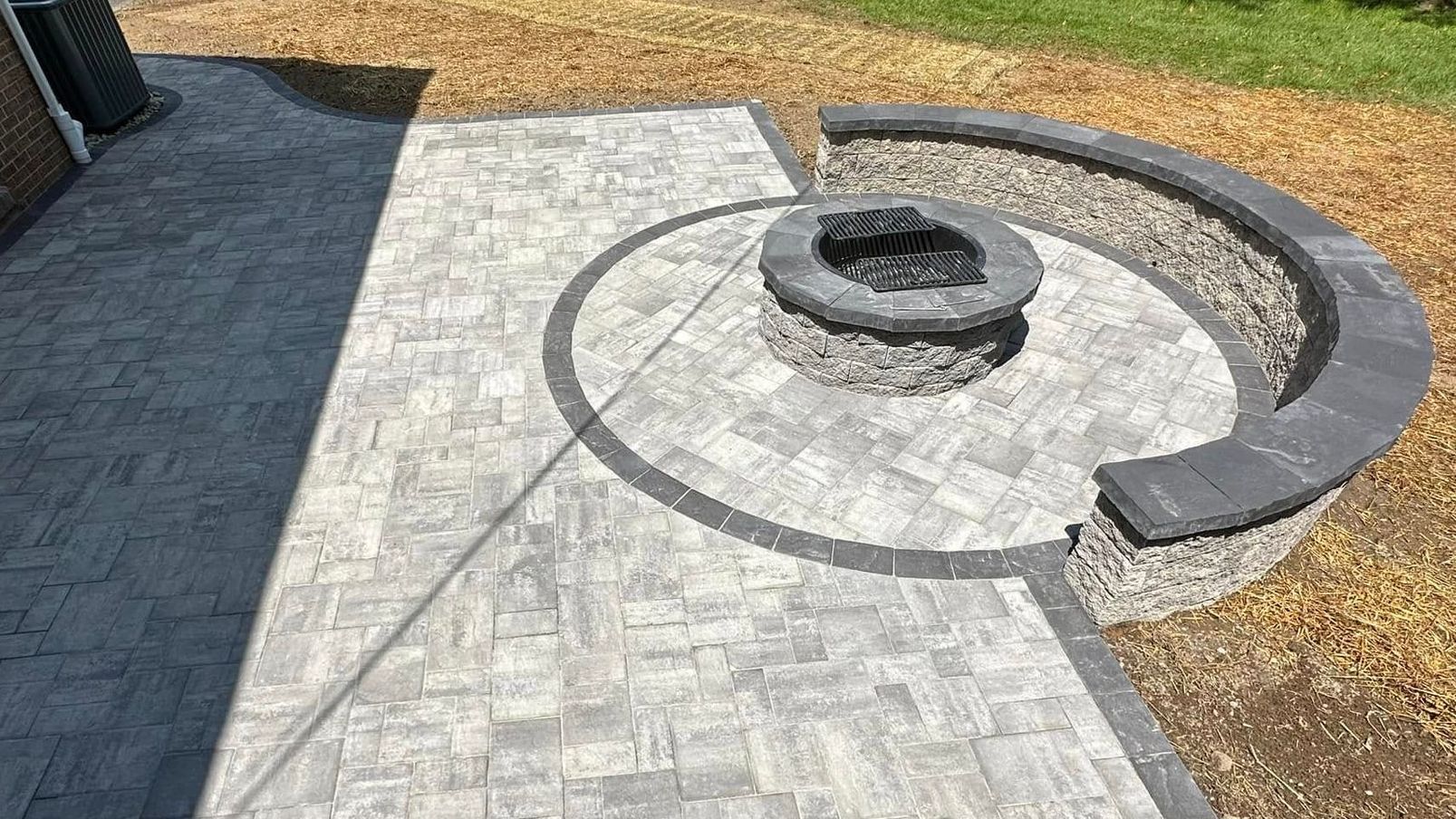
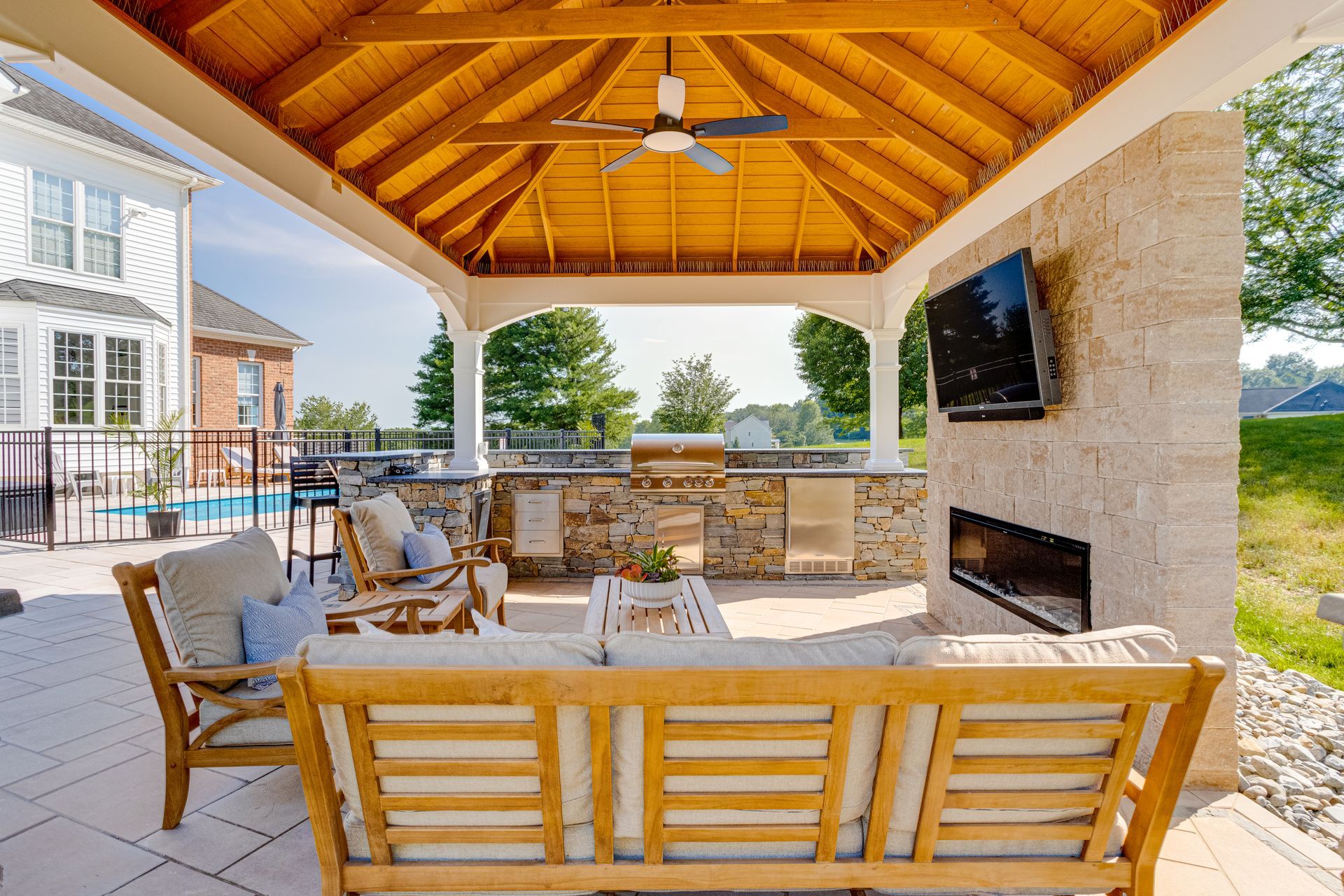
Your outdoor living spaces, including patios, seating areas, and fire pits, also require seasonal attention. Clean furniture, sweep pathways, and inspect for sun or moisture damage. Adjust lighting and seating layouts to accommodate shorter days and cooler evenings.
Maintaining these areas ensures your backyard remains functional and safe for fall gatherings. These outdoor living solutions not only enhance comfort but also preserve the beauty and durability of your hardscaping features.
Inspect Retaining Walls and Edging
Retaining walls, garden edging, and raised planters may shift or crack after a hot summer. Examine walls for loose stones, mortar damage, or soil erosion behind the structures. Proper inspection and minor repairs now prevent serious structural issues later.
If repairs exceed basic maintenance, hiring a hardscaping company in Maryland ensures your retaining walls, edging, and other hardscape features remain safe, stable, and visually appealing for years to come.
Seasonal Maintenance Tips
- Seal Stone and Concrete Surfaces – Applying a sealant can protect pavers and stone from moisture penetration and staining.
- Check for Weed Growth – Remove weeds between pavers or stones to prevent long-term damage.
- Trim Overhanging Plants – Ensure plants or shrubs don’t encroach on patios or walkways, which can cause staining or damage.
- Inspect Outdoor Lighting – Check hardscape lighting fixtures and wiring to maintain safe and well-lit spaces.
These tips are part of a proactive hardscaping maintenance plan, helping your backyard transition smoothly from summer to fall.
When to Call a Professional
Some tasks are best handled by professionals. Large repairs, structural concerns with retaining walls, complex drainage adjustments, or installing new hardscaping elements require expert knowledge.
Calling an outdoor living company near me ensures the work is performed safely and efficiently. Professionals can identify hidden issues, recommend solutions, and help you prepare your outdoor spaces for the colder months, keeping your backyard functional and attractive year-round.
Conclusion
End-of-summer is the perfect time to inspect, clean, and maintain all hardscaping elements in your yard. From patios and walkways to retaining walls and outdoor living areas, performing seasonal maintenance ensures your outdoor spaces remain safe, functional, and visually appealing throughout the fall and winter months.
Following an end-of-summer hardscaping checklist protects your investment and prevents small issues from becoming costly repairs. Whether performing basic upkeep yourself or hiring a hardscaping company in Maryland, proactive maintenance keeps your backyard beautiful and ready for enjoyment every season.
Contact X2N today!
Share Us!
Xscape 2 Nature Blog