

Common Patio Design Mistakes Homeowners Make (And How to Avoid Them)
May 20, 2026
Patio Design mistakes usually happen when homeowners focus on the finished look before thinking about how the space will actually work. A patio should support seating, movement, drainage, shade, outdoor meals, and future upgrades. When those details are missed, the space may look attractive at first but feel crowded, disconnected, or uncomfortable over time.
At Xscape to Nature, patio planning starts with real use. The team looks at how people move from the house to the yard, where furniture should fit, how water drains, and how the patio may connect to future outdoor features. A well-designed patio should feel like part of the home, not just a hardscape surface in the backyard.
Quick Checklist Before Planning a Patio
Before choosing pavers, stone, or patio size, homeowners should think through the daily function of the space. This helps prevent layout problems before construction begins.
A smart patio plan should consider:
- Seating and dining space
- Walking room around furniture
- Drainage and slope conditions
- Shade, privacy, and sun exposure
- Future outdoor features
These early decisions help turn backyard renovation ideas into a patio that works for everyday life. If your backyard needs a complete layout before choosing materials, start with a custom plan through Landscape Design Service.
Mistake 1: Planning the Patio Size Before the Layout
One of the most common mistakes is choosing the patio size too early. A patio should not be sized only by available yard space or budget. It should be shaped around how people will actually use it.
Why Function Should Come First
A small sitting area needs a different layout than a patio for outdoor dining or entertaining. If the patio is too tight, chairs feel cramped and guests have little room to move. If the patio is too large without clear zones, it can feel empty and disconnected from the house.
Xscape to Nature considers furniture placement, door access, walking paths, and the relationship between the patio and the rest of the yard. This helps create a patio that feels natural from the first step outside.
Mistake 2: Ignoring Drainage, Slope, and Base Preparation
Drainage is one of the most important parts of Patio Design. A patio that does not move water properly can lead to puddles, shifting materials, slippery areas, or moisture concerns near the home.
What Can Go Wrong Without Proper Planning
Many patio problems show up after the first heavy rain. Water may collect near steps. Edges may wash out. Low areas may stay damp. These issues often come from poor grading or weak base preparation.
Xscape to Nature reviews slope, runoff direction, soil conditions, and surrounding landscape areas before construction begins. The goal is to build a patio that performs well, not just one that looks finished on installation day.
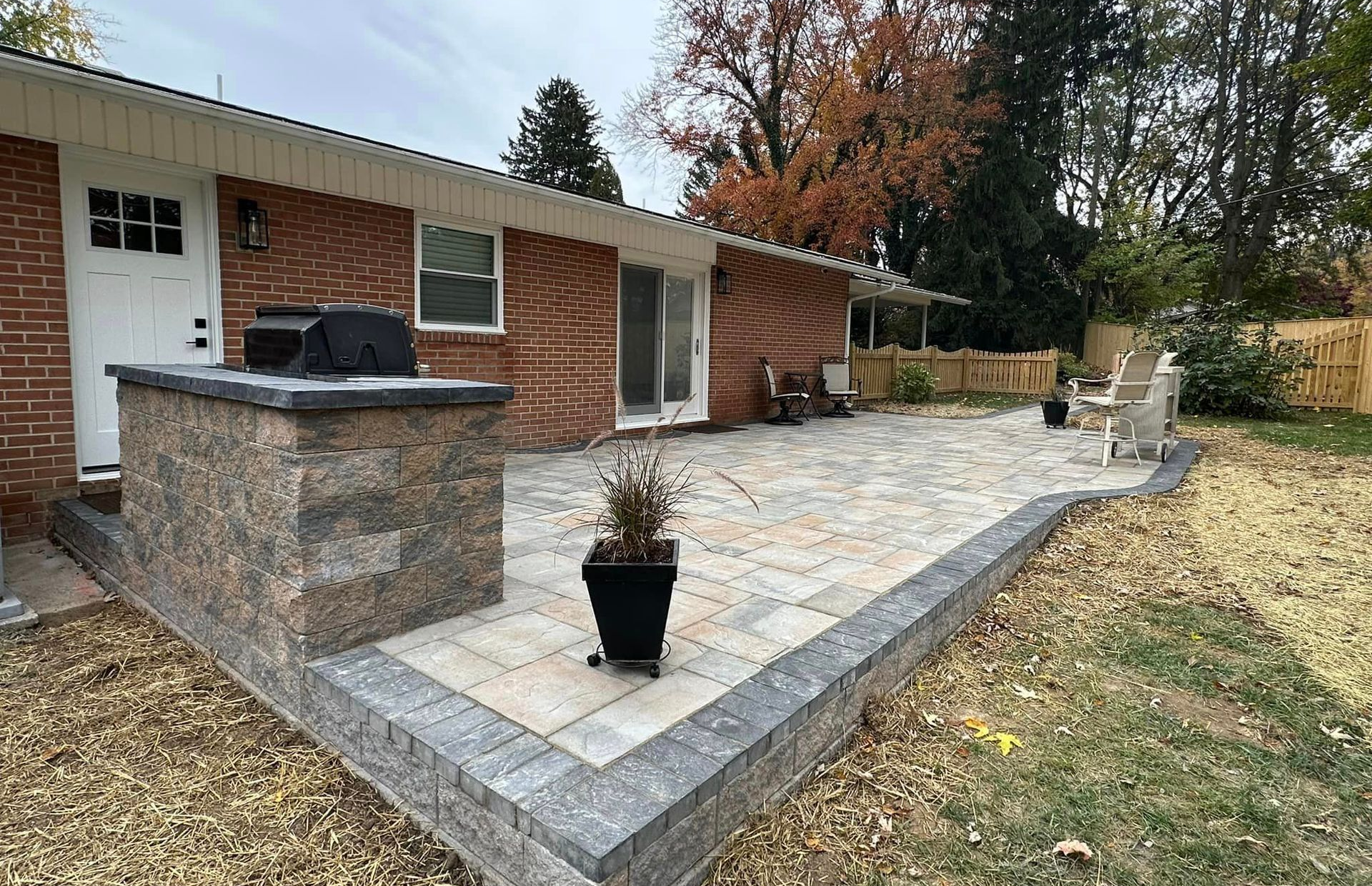
Mistake 3: Treating the Patio Like a Standalone Feature
A patio should connect with the rest of the outdoor space. When it is planned alone, it may not support walkways, lighting, seating zones, cooking areas, or future upgrades.
For example, a patio may work during the day but feel unsafe or unfinished at night. It may fit a table but leave no comfortable path to the yard. It may look nice but fail to support how people gather, eat, and move.
How to Make the Patio Feel Connected
Xscape to Nature plans patios as part of the full outdoor living experience. That means thinking about where guests walk, where chairs face, how people enter the space, and how the patio supports future landscape upgrade options. To create stronger movement between your patio, walkways, and gathering areas,
explore Patios & Walkways Service.
Mistake 4: Forgetting About Future Outdoor Features
Many homeowners build a patio first and later decide they want an outdoor kitchen, pergola, fire feature, or pool connection. The problem is that the original patio may not leave enough space or the right layout for those additions.
Why Future Planning Saves Rework
When comparing outdoor kitchen vs patio decisions, the smartest approach is often to plan both possibilities early. Even if the kitchen is not built right away, the patio can be designed to support future cooking, dining, and entertaining zones.
Xscape to Nature helps homeowners think ahead so new features do not feel forced later. The shape, size, and placement of the patio can make future upgrades easier to add. If outdoor cooking may be part of your long-term plan, connect your patio design with
Outdoor Kitchens Service.
Mistake 5: Overlooking Comfort and Evening Use
A patio can be well-built but still uncomfortable if comfort is not part of the plan. Too much sun, poor privacy, tight furniture spacing, or limited lighting can reduce how often the space is used.
Before thoughtful planning, the yard may feel open but not inviting. After the right design choices, the patio can support morning coffee, weekend dinners, family gatherings, and quiet evenings outside.
Xscape to Nature looks at how the space will feel during real use. Lighting, shade, seating direction, and safe movement all affect the experience. To make your patio more comfortable and usable after sunset, include lighting early through Outdoor Lighting Service.
How to Avoid Patio Design Mistakes
The best way to avoid patio problems is to plan the layout before choosing the final materials. A strong design-build process connects the patio to the home, the yard, and the homeowner’s lifestyle.
A better patio plan should answer three questions:
- How will people use the space every week?
- What site conditions could affect construction?
- What future features should be planned now?
Xscape to Nature helps homeowners avoid costly guesswork by looking at both design and construction details from the beginning. The result is a patio that feels intentional, durable, and easier to enjoy over time.
Ready to avoid costly patio design mistakes?
Call X2N today or
request a quote to start planning your patio installation.
FAQs About Patio Design Mistakes
What is the biggest mistake homeowners make with patio design?
The biggest mistake is planning the patio as a surface instead of a usable outdoor space. Size, drainage, furniture layout, shade, and future upgrades should all be considered before construction begins.
Should I design a patio before deciding on an outdoor kitchen?
Yes. The patio layout should support how a future cooking area may connect to seating, dining, and traffic flow. Planning both together can prevent crowded or awkward spaces.
How can I make sure my patio works for long-term use?
Start with professional planning. A good patio should account for drainage, material performance, furniture needs, lighting, privacy, and how the space may change as your outdoor living goals grow.
Share Us!
Xscape 2 Nature Blog