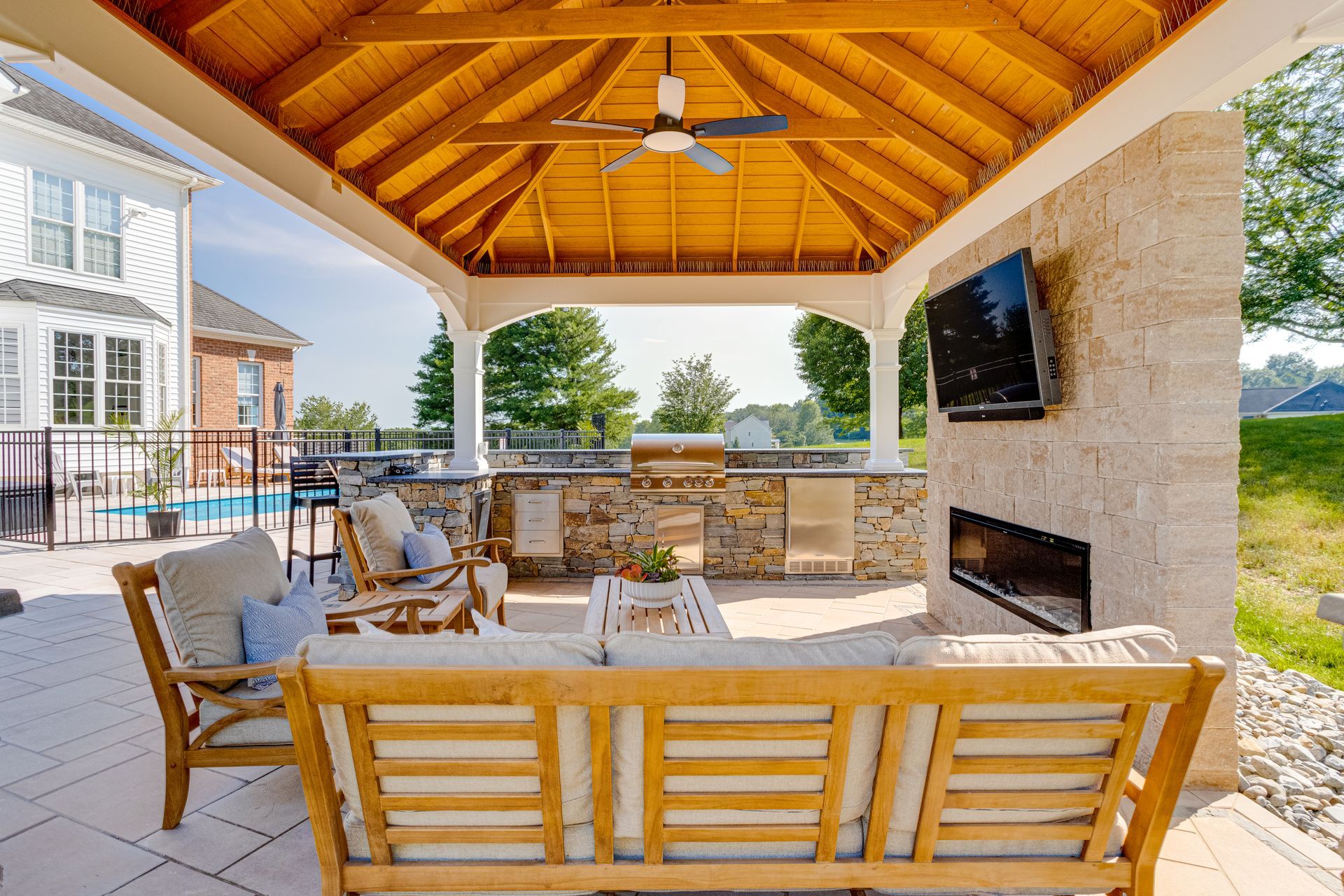

What to Expect During a Fiberglass Pool Installation: Step by Step

July 16, 2025

How Fiberglass Pools Are Installed in Maryland

Thinking about a pool for next summer? You’re not alone. If you want to dive in by next season, planning your fiberglass pool installation now is the way to go. At Xscape 2 Nature, we help Maryland homeowners make that dream a reality—and the process is easier (and faster) than you might think.

Here’s a step-by-step look at what to expect when you work with a pool contractor in Maryland like Xscape 2 Nature.


Step 1: The Initial Consultation & Design

We kick things off with a conversation about your vision. Do you want a tanning ledge? Swim-outs? Maybe a beach entry? We’ll go over custom pool features and help you choose a shape and size that fits your space and style.

Our team also does a thorough site evaluation—checking the soil, access, and landscape—to make sure everything is prepped for a smooth installation.


Step 2: Permits and Approvals

The paperwork part isn’t glamorous, but it’s necessary. We handle all the permitting and coordinate with local inspectors to ensure your backyard pool installation meets Maryland's building codes. No need to stress—we take care of it.


Step 3: Excavation and Site Prep

Once permits are approved, we’ll mark out the pool area and start digging. This is where your backyard starts transforming. We excavate the space, prep the foundation, and ensure everything is leveled and compacted to support the fiberglass shell.
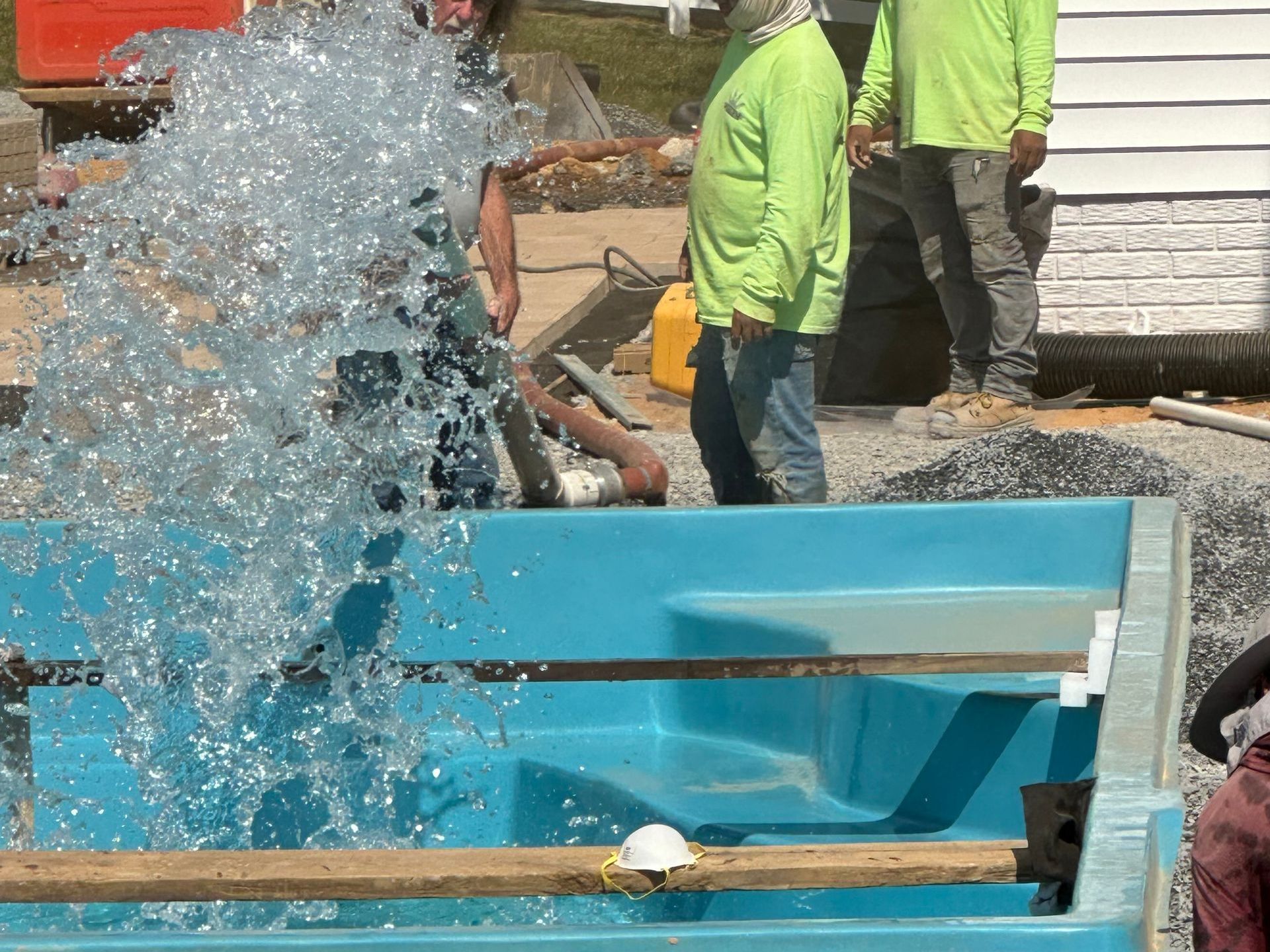
Installation of a custom fiberglass pool in progress in a Maryland backyard

Step 4: Shell Delivery and Placement

One of the biggest perks of fiberglass pools in Maryland is that the pool shell arrives pre-made. It’s craned into place in one piece, which makes the process much faster than concrete or gunite options. In many cases, your pool can be installed within a few weeks.


Step 5: Plumbing, Electrical, and Backfilling

Next, we install all the plumbing lines for filtration, returns, and any water features you’ve selected. We also handle the electrical work—from lighting to pumps.

After the shell is secure and utilities are in place, we backfill around the pool with precision to prevent shifting. This step is crucial for long-term stability.


Step 6: Pool Deck and Patio Installation

What’s a beautiful pool without a great deck or patio to match? We offer options like pavers, natural stone, and concrete to create a pool deck and patio that complements your home and makes your outdoor space even more inviting.


Step 7: Equipment Setup and Pool Start-Up

We install the pumps, filters, and heaters (if you want a longer swimming season). Then comes the fun part—filling the pool and balancing the water chemistry. We’ll walk you through how to maintain your low maintenance pool, but don’t worry—fiberglass is naturally resistant to algae and requires fewer chemicals than other pool types.


Step 8: Final Inspection and Walk-Through

Before we wrap up, local officials inspect the pool to ensure everything meets code. Then, we give you a complete walk-through to show you how everything works and answer any last questions
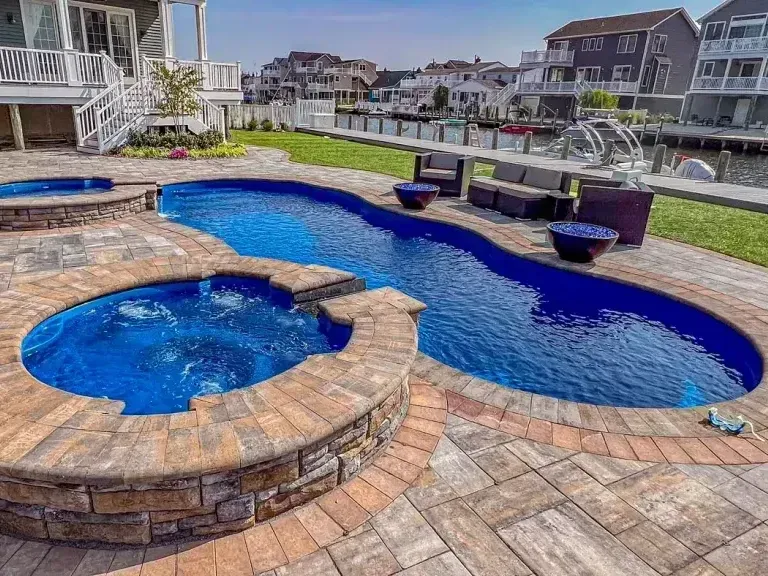
Outdoor fiberglass pool installed by Xscape 2 Nature, showcasing custom design in Maryland

Why Choose Fiberglass?

Fiberglass pools are a popular choice for Maryland homeowners because they’re fast to install, durable, and easier to maintain compared to concrete pools. With proper care, your fiberglass pool can last for decades—50+ years isn’t uncommon.

Plus, the smooth surface feels great underfoot and resists algae buildup, making cleaning simpler and quicker.


Ready to Plan Your Pool?

Whether you’re dreaming of a sleek lap pool or a family-friendly hangout space, Xscape 2 Nature can help you design and build the perfect pool for your backyard.

If you want your pool ready for next summer, now is the time to start. Contact Xscape 2 Nature—your trusted pool contractor in Maryland—and let’s make your backyard the ultimate staycation spot!
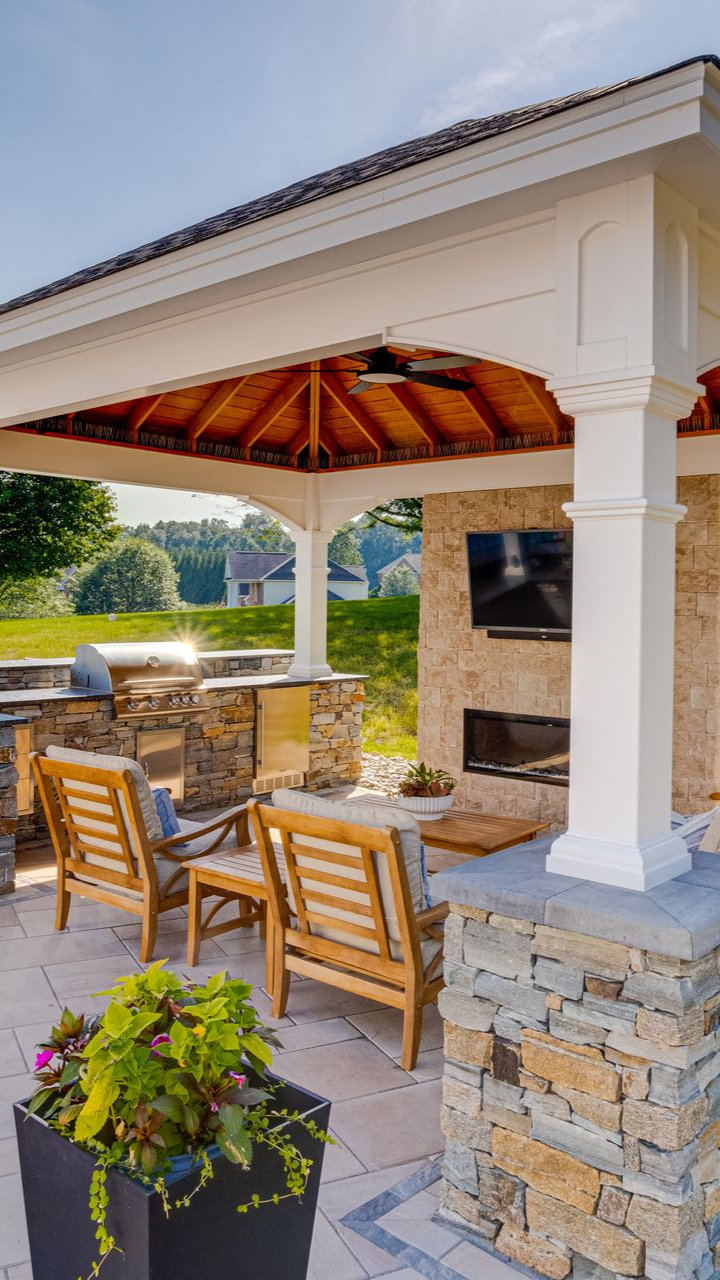
By X2N June 30, 2026
Retaining wall installation can help protect Maryland yards when soil starts washing away, water runs down a slope too quickly, or parts of the property become hard to use after rain. A well-planned retaining wall can hold back soil, manage changes in elevation, and create a more stable outdoor space. At Xscape to Nature , retaining walls are planned as both practical and visual features. A wall should not only support the soil. It should also improve how the yard works, how water moves through the property, and how future outdoor features may connect to the space. Why Maryland Yards Often Need Retaining Walls Many Maryland properties have sloped areas, heavy soil, wooded sections, or low spots where water collects after rain. Over time, these conditions can cause soil movement, washed-out mulch, uneven lawn areas, and outdoor spaces that are hard to maintain. Signs Your Yard Is Losing Soil or Becoming Unstable Homeowners may notice small problems before the yard shows bigger damage. Soil may collect at the bottom of a slope. Mulch may wash into walkways. Lawn areas may feel soft or uneven. In some cases, water may move toward patios, steps, or the foundation. These signs often mean the property needs more than surface-level landscaping. If your yard is losing soil or becoming harder to use after rain, explore Xscape to Nature’s Retaining Walls & Seating Walls Service . How Retaining Wall Installation Helps Protect the Yard A retaining wall helps manage soil by creating support where the ground changes height. Instead of letting soil shift downhill, the wall helps hold the slope in place and can create more usable outdoor areas. Why Drainage Behind the Wall Matters The strength of a retaining wall depends on more than what you see from the outside. Drainage, base preparation, wall height, backfill, and placement all affect long-term performance. Xscape to Nature looks at how water moves before recommending a wall layout. Without proper drainage planning, water pressure can build behind the wall and cause future problems. With the right design, the wall can help reduce erosion while making the yard easier to maintain.
By X2N June 25, 2026
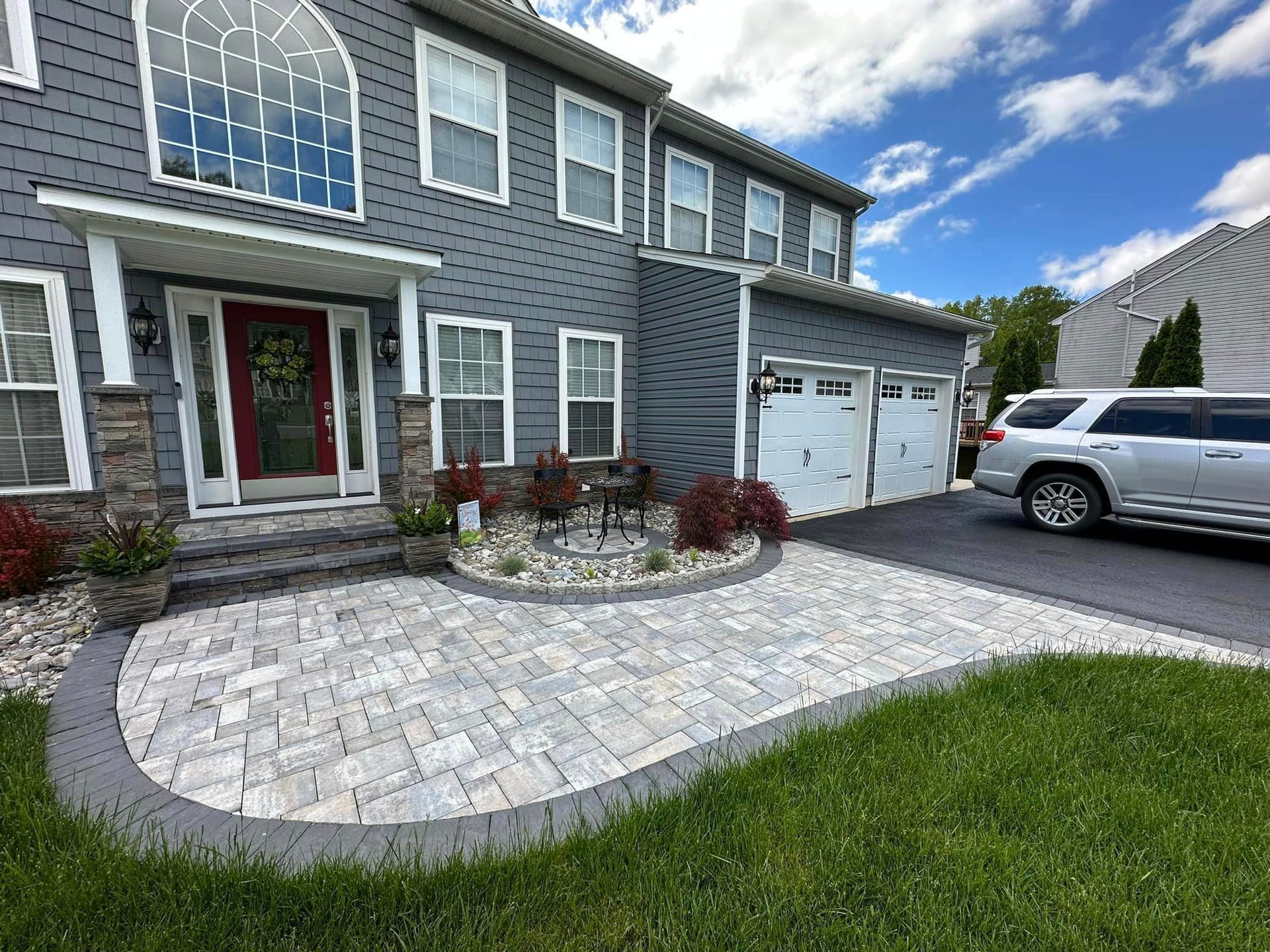
Learn how paver patio installation can create a comfortable outdoor living space with better flow, function, style, and long-term backyard use.
By X2N June 18, 2026
Learn how outdoor fireplace installation can extend backyard use, add warmth, improve gathering areas, and connect with patios and hardscaping.
Show More

Share Us!

Xscape 2 Nature Blog

By X2N June 30, 2026
Retaining wall installation can help protect Maryland yards when soil starts washing away, water runs down a slope too quickly, or parts of the property become hard to use after rain. A well-planned retaining wall can hold back soil, manage changes in elevation, and create a more stable outdoor space. At Xscape to Nature , retaining walls are planned as both practical and visual features. A wall should not only support the soil. It should also improve how the yard works, how water moves through the property, and how future outdoor features may connect to the space. Why Maryland Yards Often Need Retaining Walls Many Maryland properties have sloped areas, heavy soil, wooded sections, or low spots where water collects after rain. Over time, these conditions can cause soil movement, washed-out mulch, uneven lawn areas, and outdoor spaces that are hard to maintain. Signs Your Yard Is Losing Soil or Becoming Unstable Homeowners may notice small problems before the yard shows bigger damage. Soil may collect at the bottom of a slope. Mulch may wash into walkways. Lawn areas may feel soft or uneven. In some cases, water may move toward patios, steps, or the foundation. These signs often mean the property needs more than surface-level landscaping. If your yard is losing soil or becoming harder to use after rain, explore Xscape to Nature’s Retaining Walls & Seating Walls Service . How Retaining Wall Installation Helps Protect the Yard A retaining wall helps manage soil by creating support where the ground changes height. Instead of letting soil shift downhill, the wall helps hold the slope in place and can create more usable outdoor areas. Why Drainage Behind the Wall Matters The strength of a retaining wall depends on more than what you see from the outside. Drainage, base preparation, wall height, backfill, and placement all affect long-term performance. Xscape to Nature looks at how water moves before recommending a wall layout. Without proper drainage planning, water pressure can build behind the wall and cause future problems. With the right design, the wall can help reduce erosion while making the yard easier to maintain.
By X2N June 25, 2026
Learn how paver patio installation can create a comfortable outdoor living space with better flow, function, style, and long-term backyard use.
By X2N June 18, 2026
Learn how outdoor fireplace installation can extend backyard use, add warmth, improve gathering areas, and connect with patios and hardscaping.
More Posts