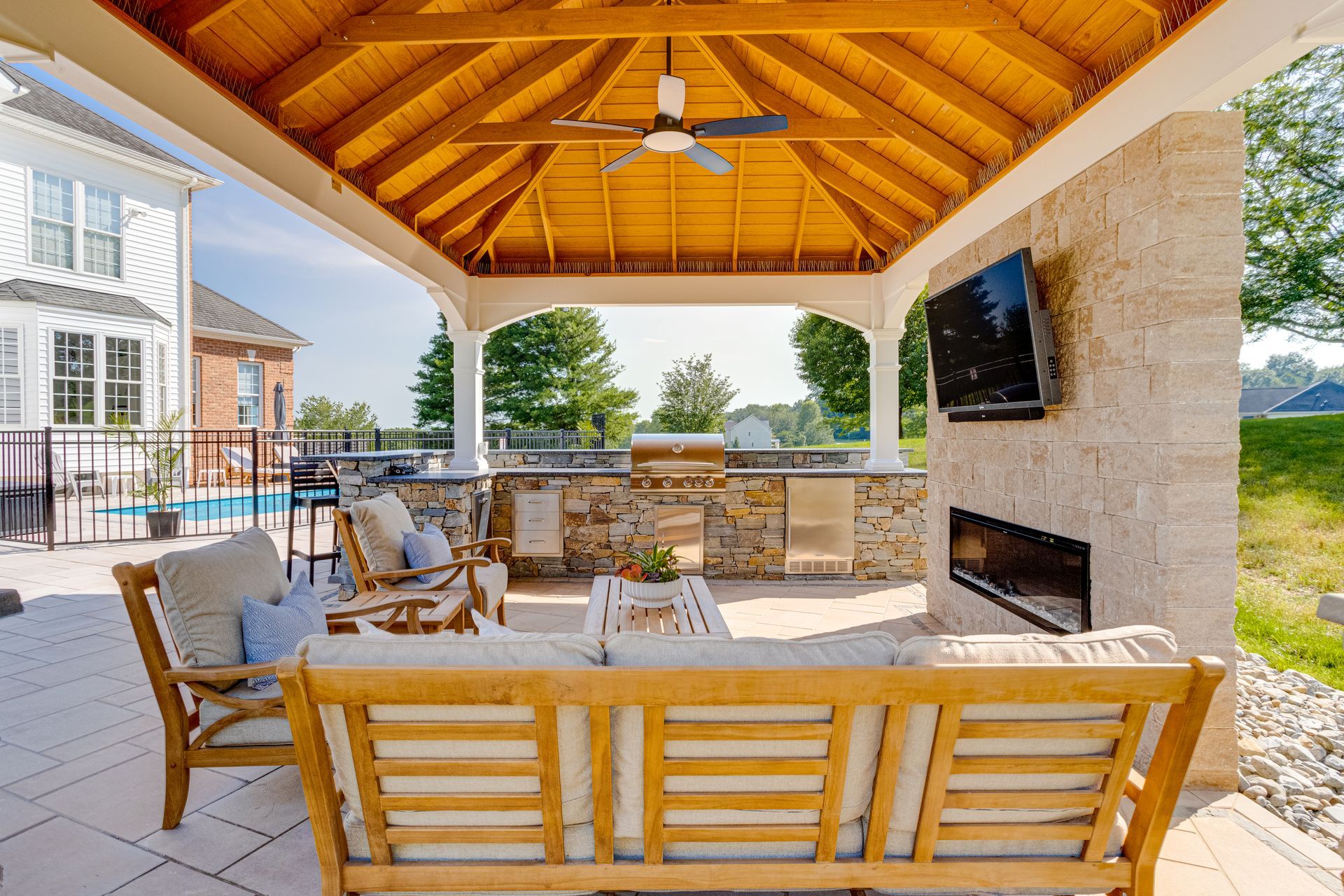

How to Design a Multi-Functional Outdoor Living Space for All Seasons

July 29, 2025

Maryland Patio and Outdoor Living Space Design Tips for Every Season

Creating an outdoor living space that works year-round is one of the best ways to maximize your home’s enjoyment and value. In Maryland, where the seasons bring both hot summers and chilly winters, designing a multi-functional outdoor area means considering comfort, style, and flexibility to suit all weather conditions.


At Xscape 2 Nature, we specialize in custom outdoor living designs that blend beauty and practicality. Here’s how to design a multi-functional outdoor living space that serves your family throughout the year.


Assessing Your Needs and Lifestyle

Before you start designing, think about how you and your family want to use your outdoor space. Is it for casual family dinners, entertaining guests, outdoor workouts, or a quiet retreat? Your space should reflect your lifestyle and accommodate your hobbies and activities.


Consider your family size and how often you entertain. If you love hosting summer barbecues but also want a cozy fire pit for cool fall evenings, your design needs to include features that support both.
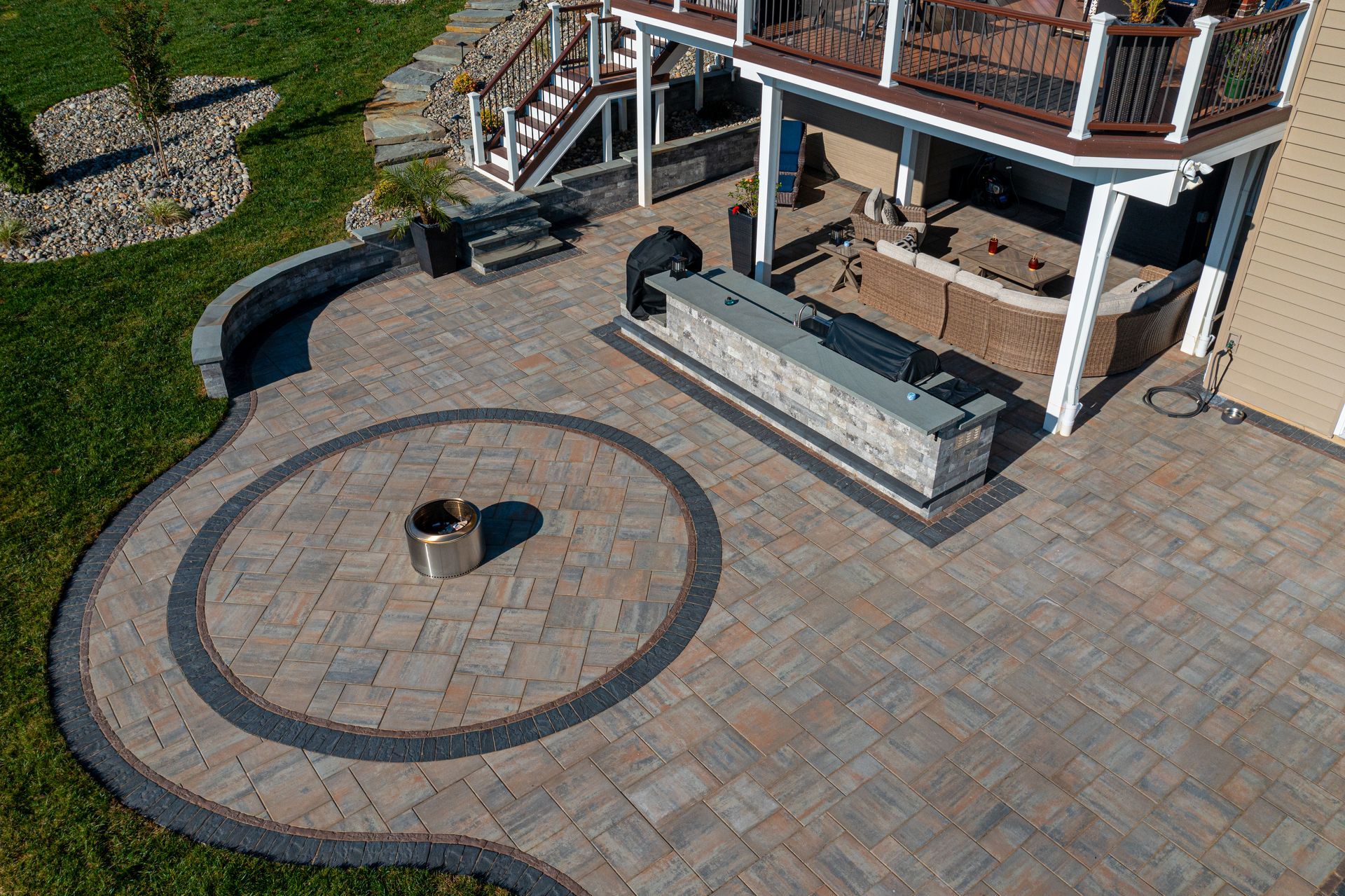
Custom multi-functional patio with fire pit and outdoor kitchen built by Xscape 2 Nature in Maryland, designed for year-round outdoor living and entertaining.

Designing for All Seasons

Maryland’s climate requires thoughtful material and feature choices to ensure your outdoor space is usable year-round.

  • Durable Materials: Choose weather-resistant materials like natural stone, concrete pavers, and treated wood that hold up to rain, snow, and sun exposure.
  • Comfort Elements: Incorporate fire pits, outdoor heaters, or chimneys to keep the space warm during chilly months.
  • Shade and Shelter: Pergolas, retractable awnings, and umbrellas provide shade in summer and protect against light rain.
  • Flexible Covers: Consider options like retractable screens or outdoor curtains that can shield you from wind or insects when needed.

These features extend your outdoor living season and make your space more comfortable regardless of the weather.


Zoning Your Outdoor Space

Multi-functional means having dedicated zones for different activities. Divide your outdoor area into clear sections for cooking, dining, lounging, and recreation.

  • Use hardscaping elements like patios, decks, and pathways to define these zones.
  • Landscaping, such as hedges or planter boxes, can create natural boundaries.
  • A well-planned layout keeps the space organized and ensures smooth traffic flow.

Zoning lets you enjoy different activities simultaneously without feeling cramped.


Lighting and Ambiance

Outdoor lighting is essential for usability and mood, especially as daylight hours shorten in fall and winter.

  • Combine task lighting (near grills or seating areas) with ambient lighting (string lights, lanterns) and accent lighting (spotlights on trees or water features).
  • LED lights are energy-efficient and available in warm tones to create inviting spaces.
  • Well-designed lighting increases safety and extends your outdoor enjoyment into evenings and cooler months.


Incorporating Flexible Features

A truly multi-functional space adapts to changing needs.

  • Use multi-purpose furniture like benches with storage or foldable tables.
  • Incorporate features that can be adjusted seasonally, such as removable cushions or portable heaters.
  • Storage solutions help keep the area tidy and ready for any occasion.

Flexibility ensures your outdoor living space remains functional and appealing year-round.
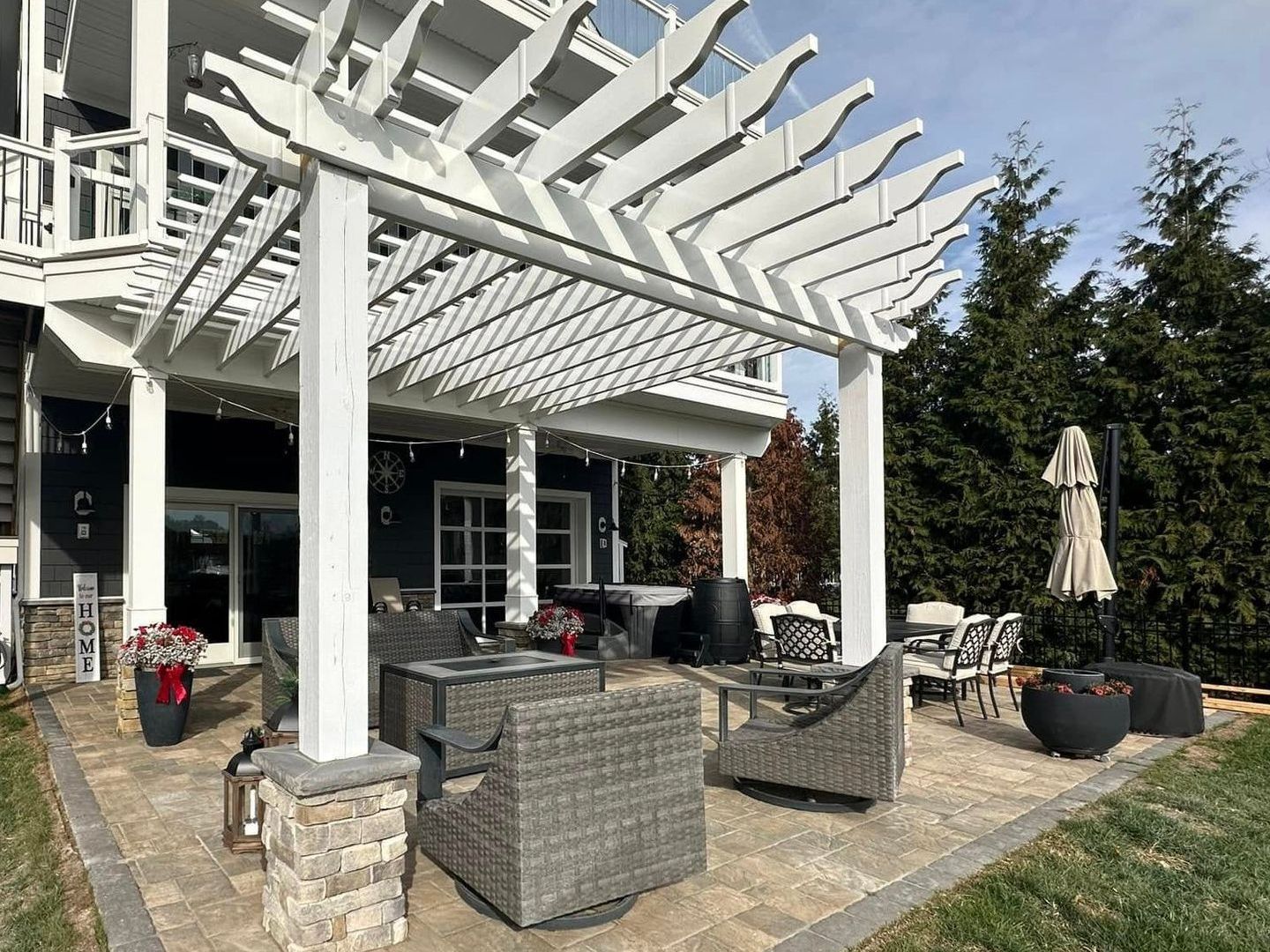
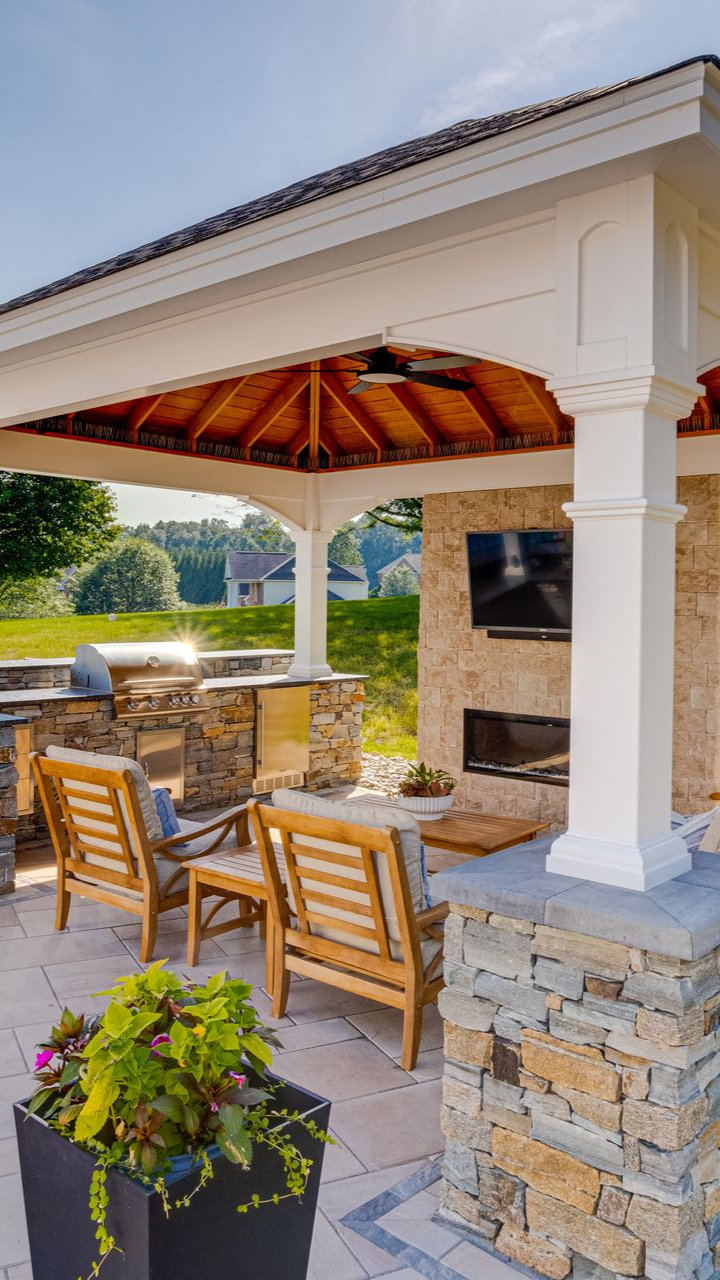
Beautiful patio built by X2N in Maryland with seating, shade and entertainment space.

Working with Professionals

Designing a multi-functional outdoor living space that balances beauty, comfort, and durability is complex. Hiring experienced professionals ensures you get a custom design tailored to your property and lifestyle.


At Xscape 2 Nature, our expert team helps Maryland homeowners create outdoor spaces that stand up to the seasons and fit their unique needs. From selecting the right materials to installing lighting and heating elements, we guide you through every step.


Conclusion

A multi-functional outdoor living space designed for all seasons enhances your lifestyle and adds lasting value to your Maryland home. By carefully assessing your needs, choosing durable materials, zoning your space, and incorporating flexible features, you can enjoy the outdoors no matter the weather.


Ready to transform your backyard? Contact Xscape 2 Nature today for a custom outdoor living consultation and start creating the perfect all-season space for you and your family.
By X2N June 30, 2026
Retaining wall installation can help protect Maryland yards when soil starts washing away, water runs down a slope too quickly, or parts of the property become hard to use after rain. A well-planned retaining wall can hold back soil, manage changes in elevation, and create a more stable outdoor space. At Xscape to Nature , retaining walls are planned as both practical and visual features. A wall should not only support the soil. It should also improve how the yard works, how water moves through the property, and how future outdoor features may connect to the space. Why Maryland Yards Often Need Retaining Walls Many Maryland properties have sloped areas, heavy soil, wooded sections, or low spots where water collects after rain. Over time, these conditions can cause soil movement, washed-out mulch, uneven lawn areas, and outdoor spaces that are hard to maintain. Signs Your Yard Is Losing Soil or Becoming Unstable Homeowners may notice small problems before the yard shows bigger damage. Soil may collect at the bottom of a slope. Mulch may wash into walkways. Lawn areas may feel soft or uneven. In some cases, water may move toward patios, steps, or the foundation. These signs often mean the property needs more than surface-level landscaping. If your yard is losing soil or becoming harder to use after rain, explore Xscape to Nature’s Retaining Walls & Seating Walls Service . How Retaining Wall Installation Helps Protect the Yard A retaining wall helps manage soil by creating support where the ground changes height. Instead of letting soil shift downhill, the wall helps hold the slope in place and can create more usable outdoor areas. Why Drainage Behind the Wall Matters The strength of a retaining wall depends on more than what you see from the outside. Drainage, base preparation, wall height, backfill, and placement all affect long-term performance. Xscape to Nature looks at how water moves before recommending a wall layout. Without proper drainage planning, water pressure can build behind the wall and cause future problems. With the right design, the wall can help reduce erosion while making the yard easier to maintain.
By X2N June 25, 2026
Learn how paver patio installation can create a comfortable outdoor living space with better flow, function, style, and long-term backyard use.
By X2N June 18, 2026
Learn how outdoor fireplace installation can extend backyard use, add warmth, improve gathering areas, and connect with patios and hardscaping.
Show More

Share Us!

Xscape 2 Nature Blog

By X2N June 30, 2026
Retaining wall installation can help protect Maryland yards when soil starts washing away, water runs down a slope too quickly, or parts of the property become hard to use after rain. A well-planned retaining wall can hold back soil, manage changes in elevation, and create a more stable outdoor space. At Xscape to Nature , retaining walls are planned as both practical and visual features. A wall should not only support the soil. It should also improve how the yard works, how water moves through the property, and how future outdoor features may connect to the space. Why Maryland Yards Often Need Retaining Walls Many Maryland properties have sloped areas, heavy soil, wooded sections, or low spots where water collects after rain. Over time, these conditions can cause soil movement, washed-out mulch, uneven lawn areas, and outdoor spaces that are hard to maintain. Signs Your Yard Is Losing Soil or Becoming Unstable Homeowners may notice small problems before the yard shows bigger damage. Soil may collect at the bottom of a slope. Mulch may wash into walkways. Lawn areas may feel soft or uneven. In some cases, water may move toward patios, steps, or the foundation. These signs often mean the property needs more than surface-level landscaping. If your yard is losing soil or becoming harder to use after rain, explore Xscape to Nature’s Retaining Walls & Seating Walls Service . How Retaining Wall Installation Helps Protect the Yard A retaining wall helps manage soil by creating support where the ground changes height. Instead of letting soil shift downhill, the wall helps hold the slope in place and can create more usable outdoor areas. Why Drainage Behind the Wall Matters The strength of a retaining wall depends on more than what you see from the outside. Drainage, base preparation, wall height, backfill, and placement all affect long-term performance. Xscape to Nature looks at how water moves before recommending a wall layout. Without proper drainage planning, water pressure can build behind the wall and cause future problems. With the right design, the wall can help reduce erosion while making the yard easier to maintain.
By X2N June 25, 2026
Learn how paver patio installation can create a comfortable outdoor living space with better flow, function, style, and long-term backyard use.
By X2N June 18, 2026
Learn how outdoor fireplace installation can extend backyard use, add warmth, improve gathering areas, and connect with patios and hardscaping.
More Posts